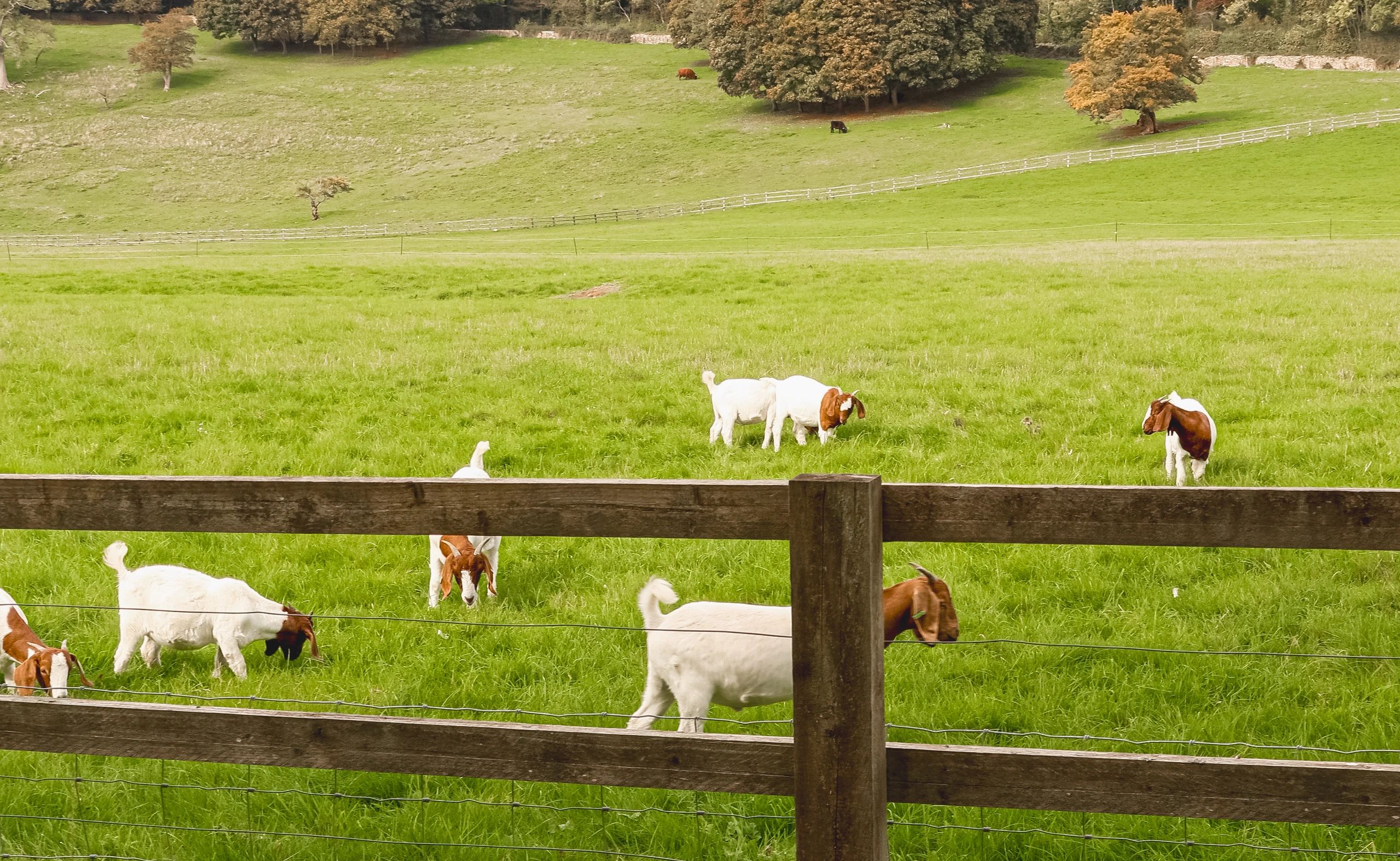
Farm & Game Perimeter Fencing in Louisiana
From cattle pasture to hunting land, we build perimeter fences that help contain livestock, protect crops, and manage access—built for Louisiana’s wet soils, storms, and long fence lines.
Licensed & Insured • Veteran-Owned • Free Estimates • Statewide Service
Perimeter fence options
Common goals: contain livestock, protect crops, reduce wildlife pressure, and control access across long fence lines.
We’ll help you choose the right fence for your animals, acreage, terrain, and budget—then build it with proper corners, bracing, and gate access for equipment.
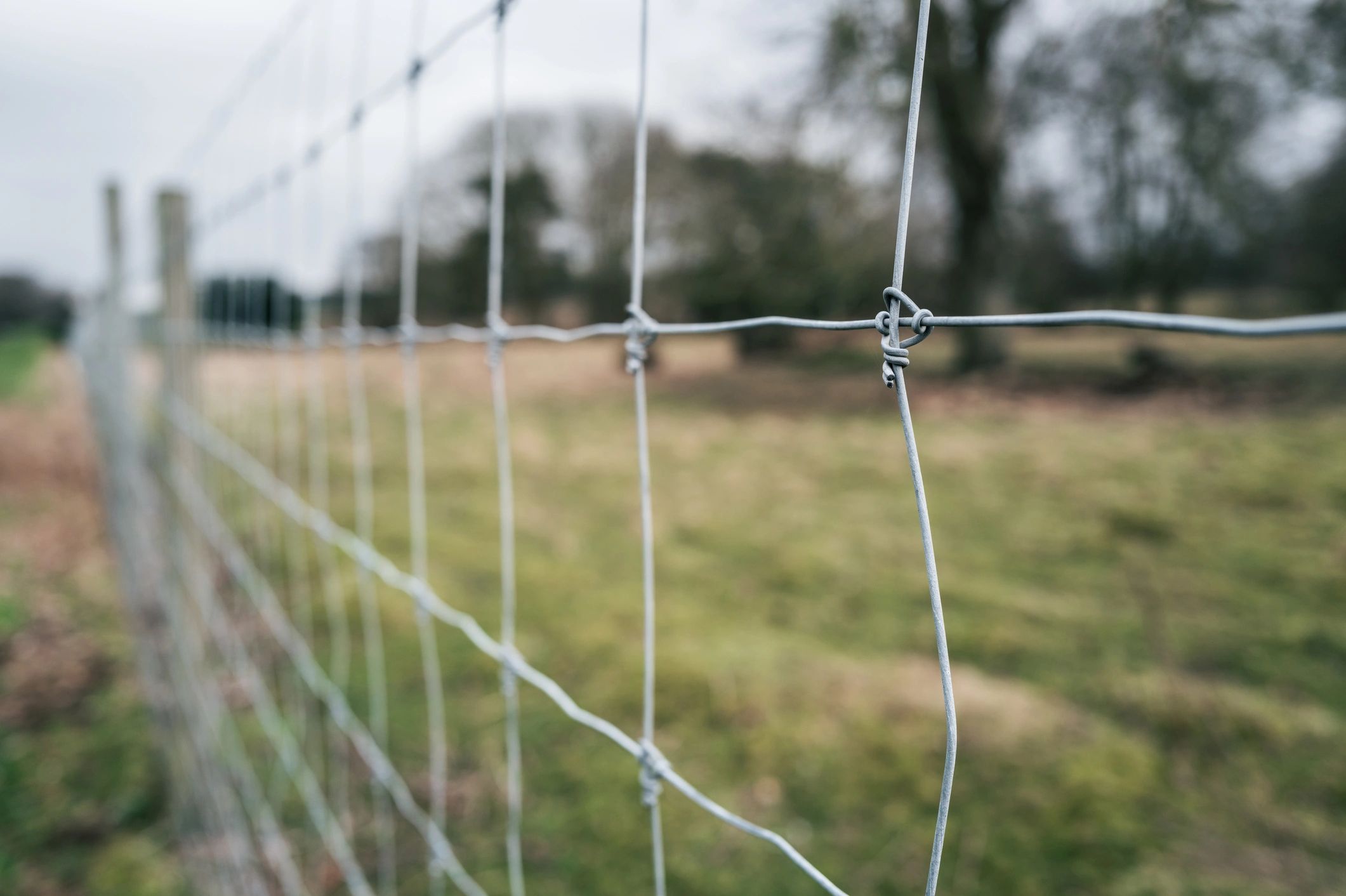
- Woven wire / field fence (general livestock and property lines)
- No-climb horse fence (tight mesh for safety)
- Cattle panels (high-impact areas, pens, and runs)
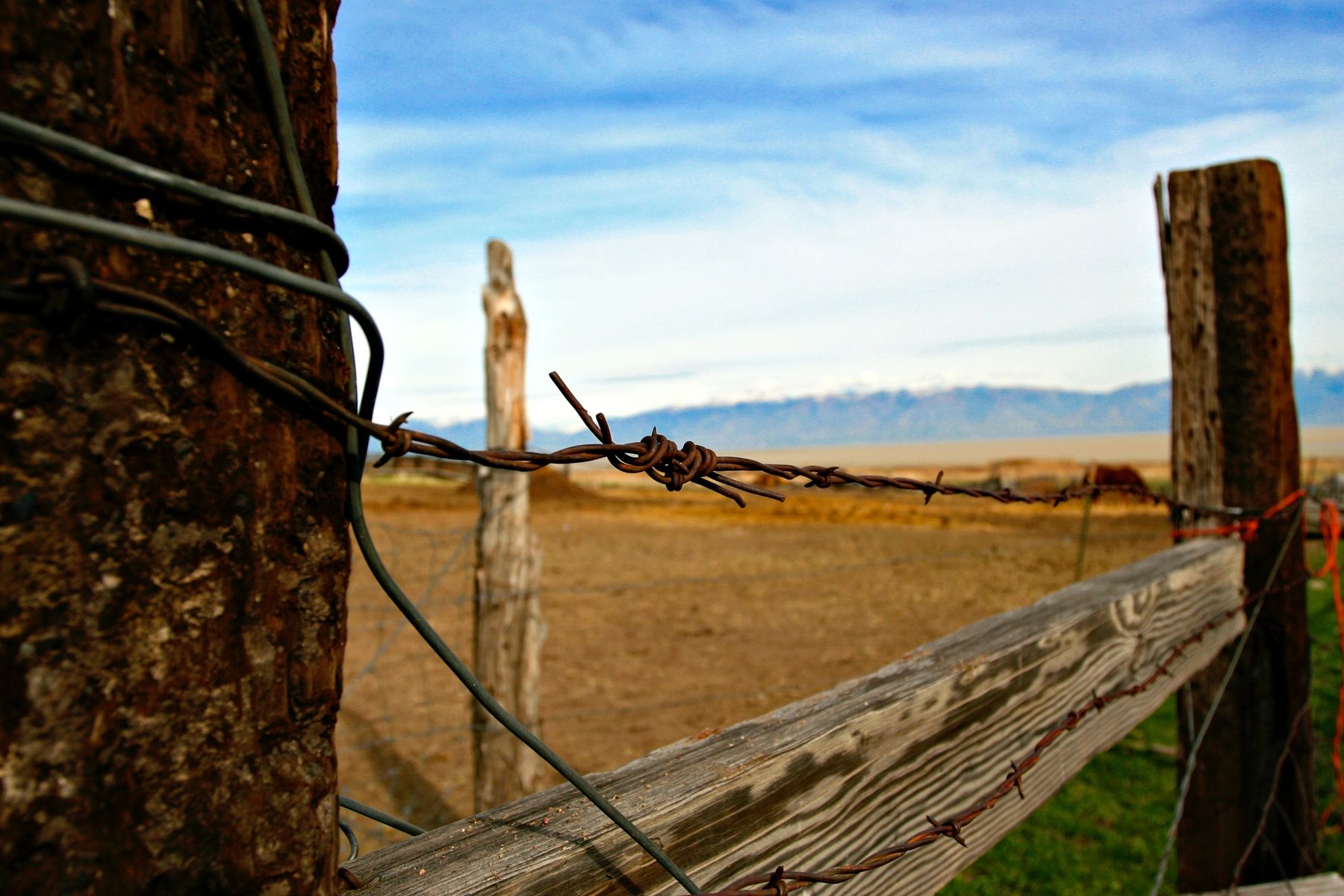
- Barbed wire (large runs and pasture boundaries) — see Barbed Wire Fences
- High-tensile smooth wire (long spans with fewer posts)
- Electric fence (temporary or permanent control)
- Hog wire (small livestock, gardens, and perimeter reinforcement)
- Deer / exclusion fence (orchards, gardens, and hunting land boundaries)
- Predator control (dig protection, tighter mesh, hot wire)
- Poultry & rabbit enclosures (small mesh and secure latches)
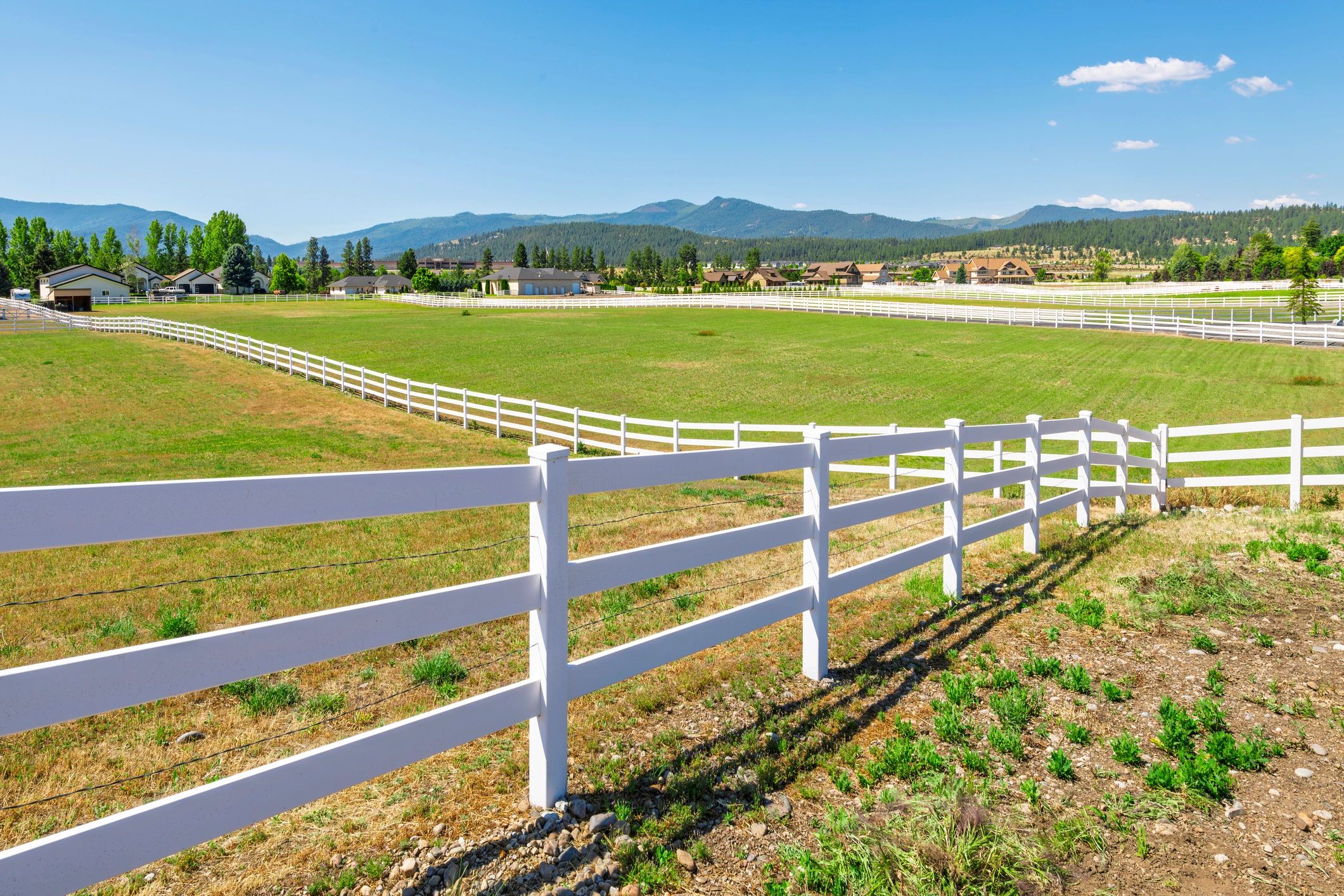
- Pipe/rail and post-and-rail (ranch entrances and cross-fencing) — see Post and Rail Fences
- Chain link for kennels and secure runs — see Chain Link Fences
- Gates, crossings, and access points — see Gates and Entries and Walk Gates
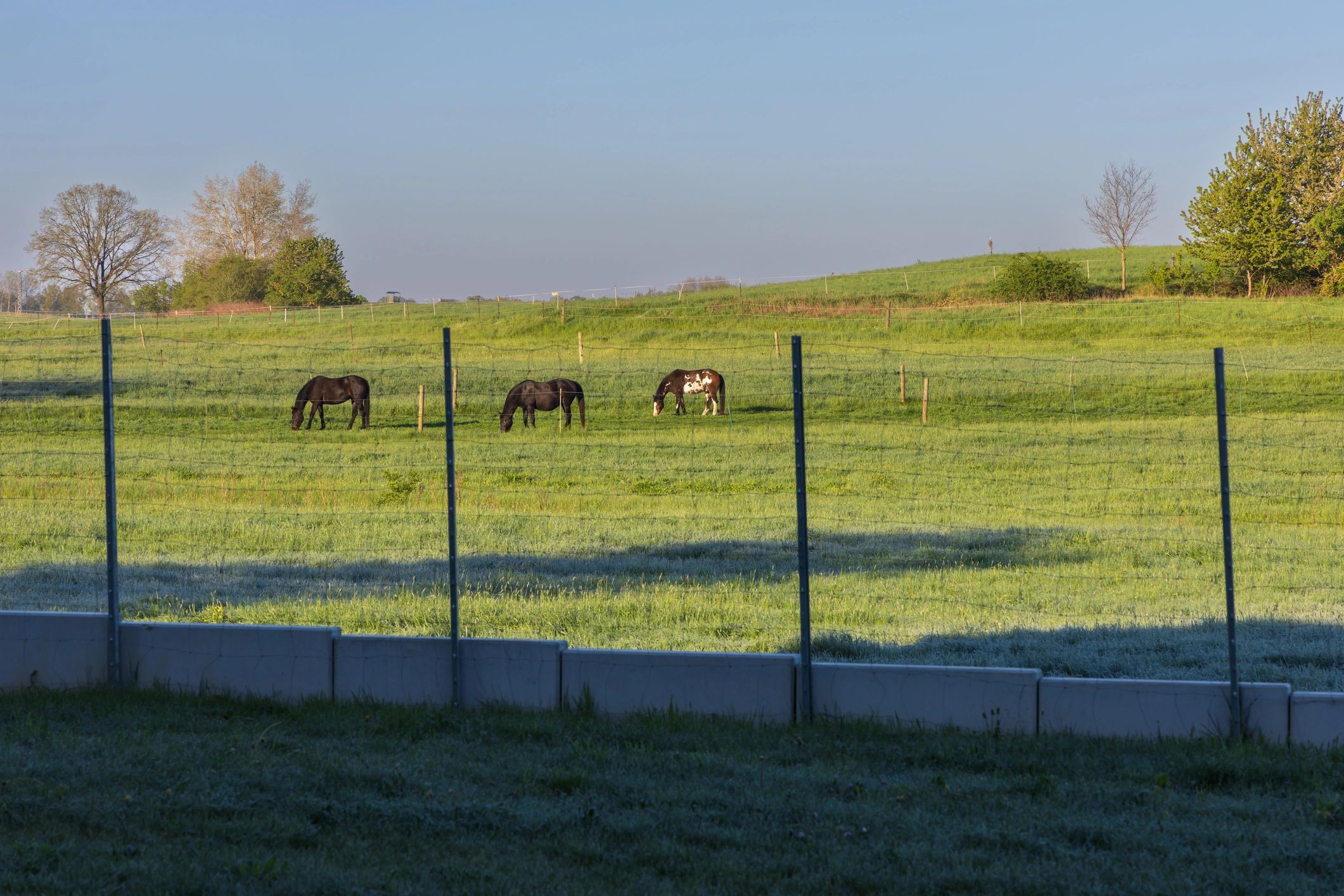
Built for Louisiana land
Farm and game fencing in Louisiana has to handle saturated ground, shifting clay, and storm events. We plan post spacing, set depth, and bracing so your perimeter stays tight and true.
- Wet soils & flooding: deeper set posts, drainage-aware layout, and reinforced corners.
- Storms & falling limbs: smart line placement, heavier posts where needed, and repair-friendly layouts.
- Coastal corrosion: galvanized and coated options for hardware and wire.
- Clay/soft ground: proper tamping, concrete where appropriate, and braced end assemblies.
- Corners & braces: H-braces, diagonal bracing, and tensioning to keep wire fences performing.
How we build perimeter fences
Simple process, built for durability—especially at corners, ends, and gates.
1) Walk the line
We confirm boundaries, terrain, drainage, and access points for equipment and livestock movement.
2) Set corners & braces
Strong corners are the backbone of wire fencing. We build braced assemblies to hold tension long-term.
3) Run posts & stretch wire
We set line posts to spec, then stretch and fasten wire/mesh with consistent tension and clean tie-offs.
4) Add gates & crossings
We install access for tractors, trailers, and foot traffic. Explore Gates and Entries and Gate Openers.
5) Tension, test, and finish
We check tension, latch function, and line integrity—then leave you with a perimeter that’s ready to work.
6) Support after install
If storms or trees cause damage, we can help with repairs and reinforcement.
Pricing factors (no exact prices)
Perimeter fencing is priced by materials, terrain, and the amount of bracing and access you need. We’ll walk your line and provide a clear estimate.
- Fence type (woven wire, high-tensile, barbed wire, panels, electric)
- Total linear footage and number of corners/ends
- Post type and set depth (wood vs steel, concrete needs)
- Terrain, clearing, and access for equipment
- Gate count, width, and hardware (and automation if desired)
Maintenance & safety
- Walk the line after storms and heavy rain to catch washouts and limb damage early.
- Keep vegetation trimmed to reduce pressure on wire and improve electric fence performance.
- Check tension seasonally—especially on long runs and at corners.
- Use caution with barbed and electric fencing around children, pets, and high-traffic areas.
Farm & game fencing gallery
Farm & game fencing FAQs
What fence is best for cattle in Louisiana?
It depends on acreage, pressure, and budget. Many properties use woven wire or barbed wire for long runs, with panels and reinforced corners in high-impact areas.
Do you build deer and exclusion fences?
Yes. We can build taller exclusion fencing for gardens, orchards, and property boundaries, and we’ll plan bracing and tensioning for long spans.
Can you add gates for tractors and equipment?
Absolutely. We install access gates and crossings sized for your equipment and traffic patterns. See Gates and Entries.
How do you handle wet ground and flooding?
We adjust set depth, post spacing, and corner bracing, and we plan the fence line to reduce washouts where possible. After major storms, we recommend walking the line to catch issues early.
Do you install electric fence?
Yes—both as a standalone solution and as a deterrent add-on to woven wire or smooth wire. We’ll recommend the right layout for your animals and goals.
How do I get an estimate for a long perimeter fence?
Contact us with your location and a rough idea of the fence line. We’ll review access, corners, gates, and materials and provide a clear estimate. You can also browse our Service Areas.
Ready to fence your acreage?
Tell us what you’re fencing and where you’re located. We’ll recommend the right perimeter solution and provide a clear estimate.