Fencing Accessories
Fence Anchors
From post bases to concrete anchors and ground anchors, we choose the right method for Louisiana soil, wind, and water conditions.
Overview
When Anchors Are Used
Types
Common Anchor Types
Anchor selection depends on fence type, post material, load, and what we’re fastening into (soil, concrete, masonry, or steel).
Post anchors and post bases
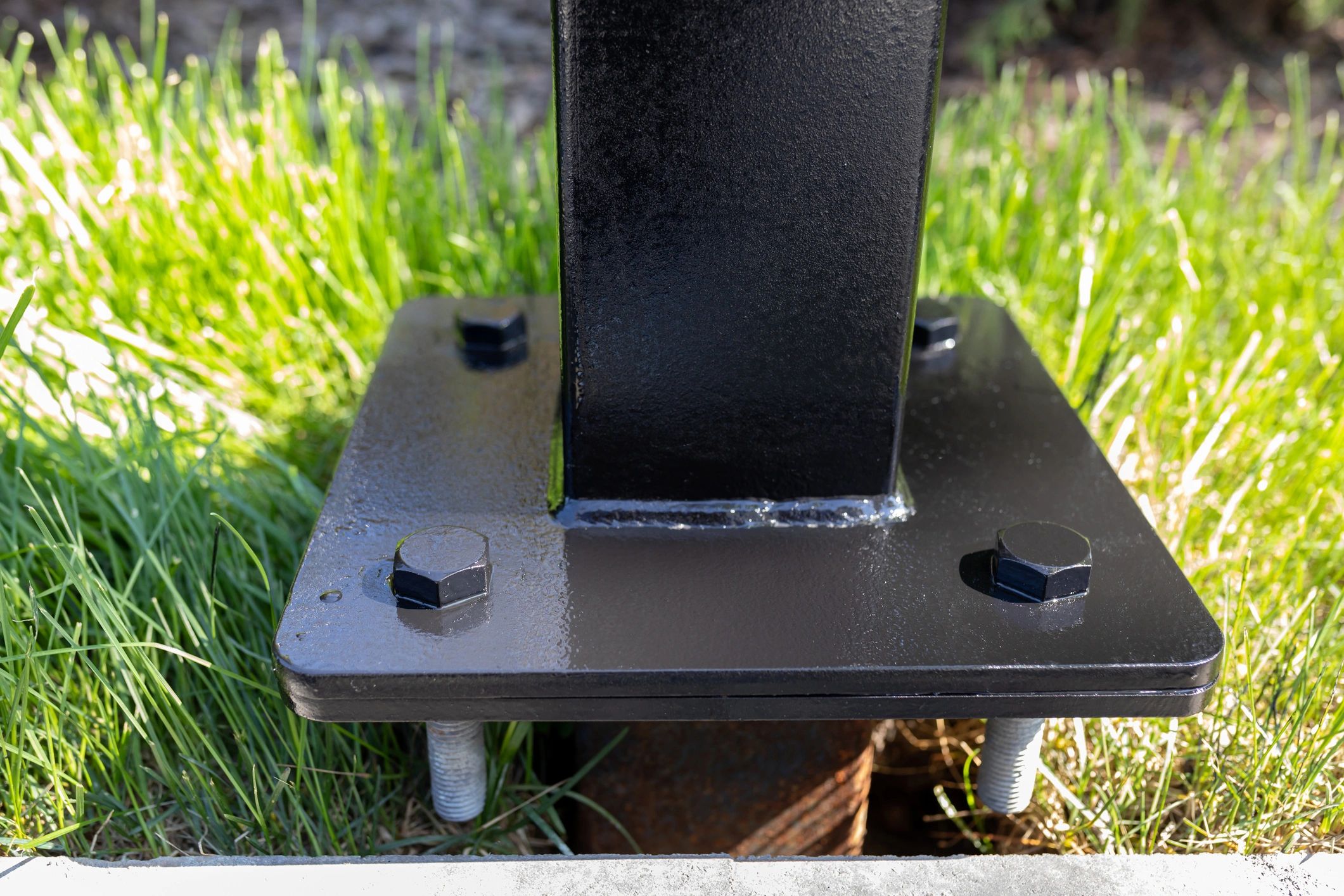
Used to secure posts to an existing slab, curb, or footing. Common for railings, short runs, and situations where digging isn’t practical. We match base style and fasteners to the post material and expected load.
Concrete anchors
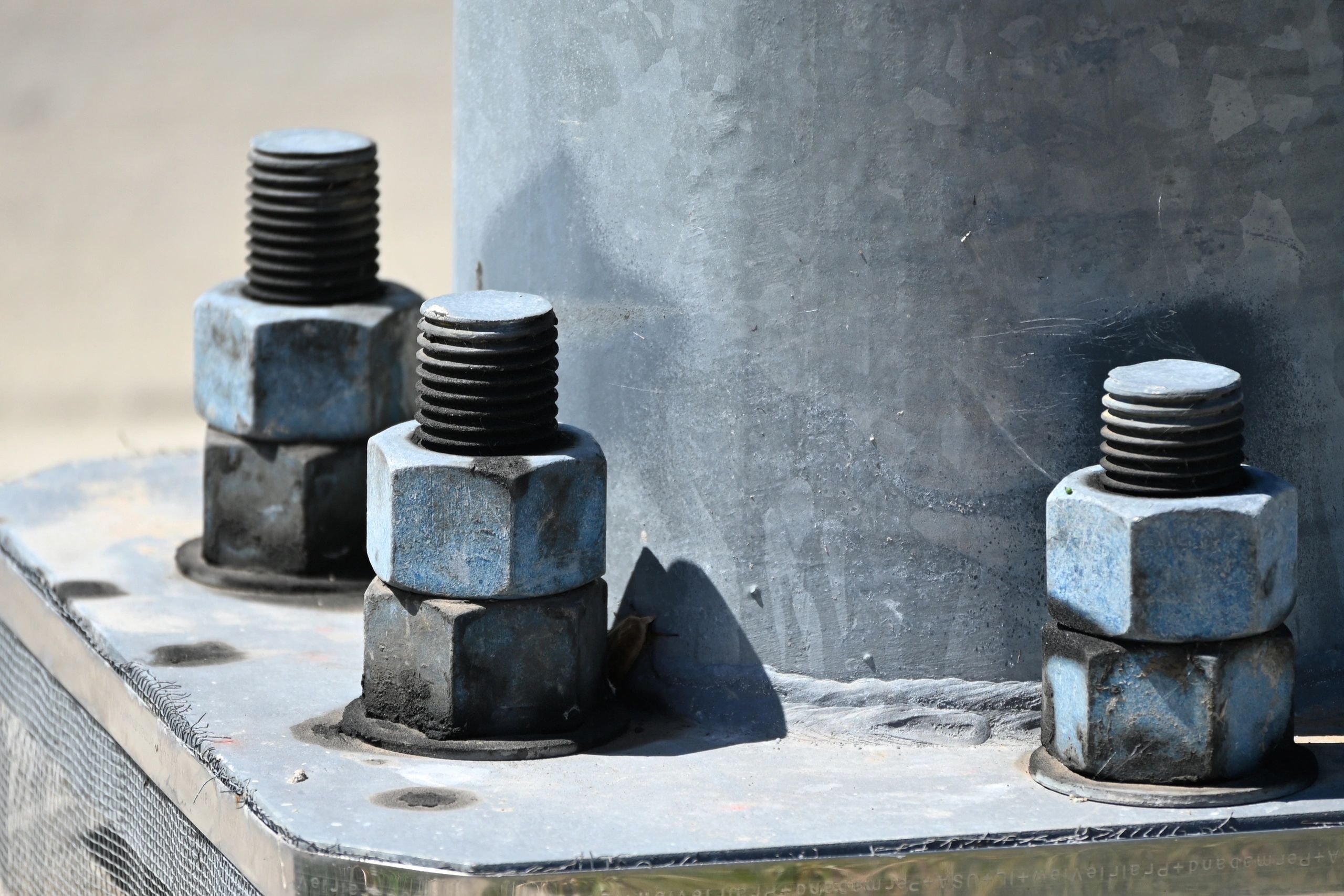
Wedge anchors, sleeve anchors, epoxy-set anchors, and anchor bolts are used to fasten brackets and posts into cured concrete. Proper embed depth and edge distance matter to prevent cracking and pull-out.
Ground anchors
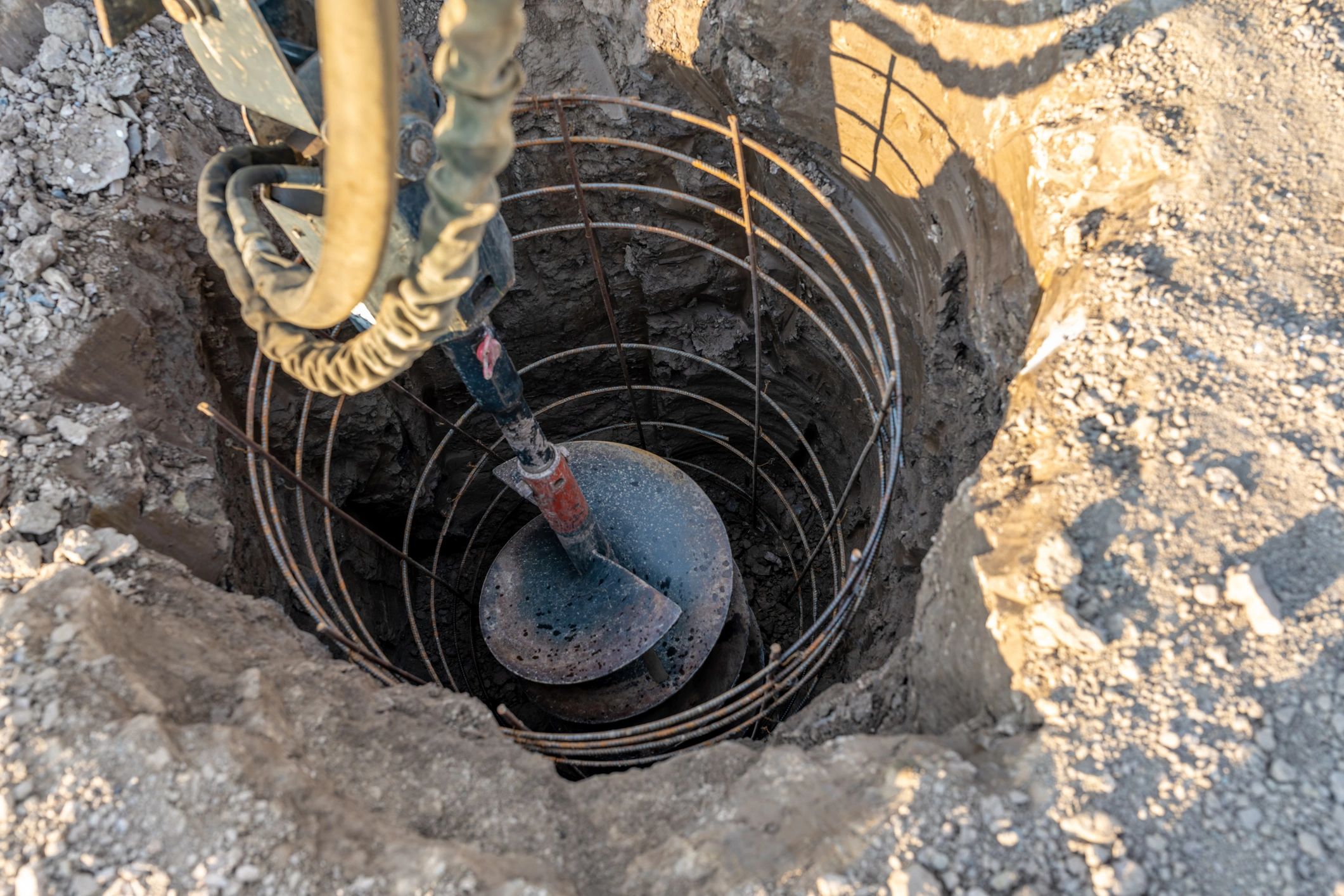
Helical/auger-style anchors and driven anchors add resistance in soil. They’re often used for bracing, stabilizing posts, or reinforcing areas that see movement from saturated ground.
Specialty anchoring
In some conditions we may use larger footings, deeper set posts, or engineered solutions for heavy gates and high-load areas. We’ll recommend what fits the site and the fence design.
Louisiana Soil and Flood Considerations
Many Louisiana properties deal with soft soils, high water tables, and seasonal saturation. Those conditions can reduce holding strength and increase movement if anchoring isn’t planned correctly.
We look at drainage, soil density, and exposure to standing water before choosing anchor style, depth, and hardware. In flood-prone areas, corrosion resistance and proper embedment become even more important.
Key focus
Pull-out resistance
Anchor Planning FAQs
A few common questions we hear when customers are deciding how to secure posts, bases, and hardware.
Do anchors replace concrete footings?
Not always. For many fences, properly sized footings and correct post depth are still the primary support. Anchors are often used to supplement support, attach to existing concrete, or add stability in problem areas.
Can you anchor a fence to an existing slab?
Yes. We can use post bases and concrete anchors when the slab is thick enough and in good condition. We also verify placement to avoid edges and cracks that can reduce holding strength.
What hardware holds up best near the coast?
In coastal and high-humidity areas, we typically recommend corrosion-resistant hardware (such as hot-dip galvanized or stainless options) based on the fence type and exposure. We’ll specify the right fasteners in your estimate.
Do ground anchors work in saturated soil?
They can, but selection and depth matter. In soft or frequently saturated soil, we may recommend deeper helical anchors, larger footings, or other reinforcement to reduce movement over time.
When should I call a pro?
If you’re anchoring heavy gates, working near utilities, or dealing with shifting/flood-prone ground, it’s worth having us evaluate the site. The right anchoring plan prevents leaning posts, sagging gates, and premature repairs.
Can you add anchors during a repair?
Yes. During fence repairs, we can often add anchors, braces, or upgraded hardware to improve stability without replacing the entire fence line.