DIY guide
DIY fencing and gate installs
Planning a DIY fence or gate in Louisiana? Use this guide for layout, materials, post setting, gates + hardware, safety, and common mistakes—plus a quick decision helper for when it’s smarter to hire a pro.
Planning
Measure, mark corners, and confirm property lines before you dig.
Safety + utilities
Call 811, use PPE, and keep clear of overhead lines.
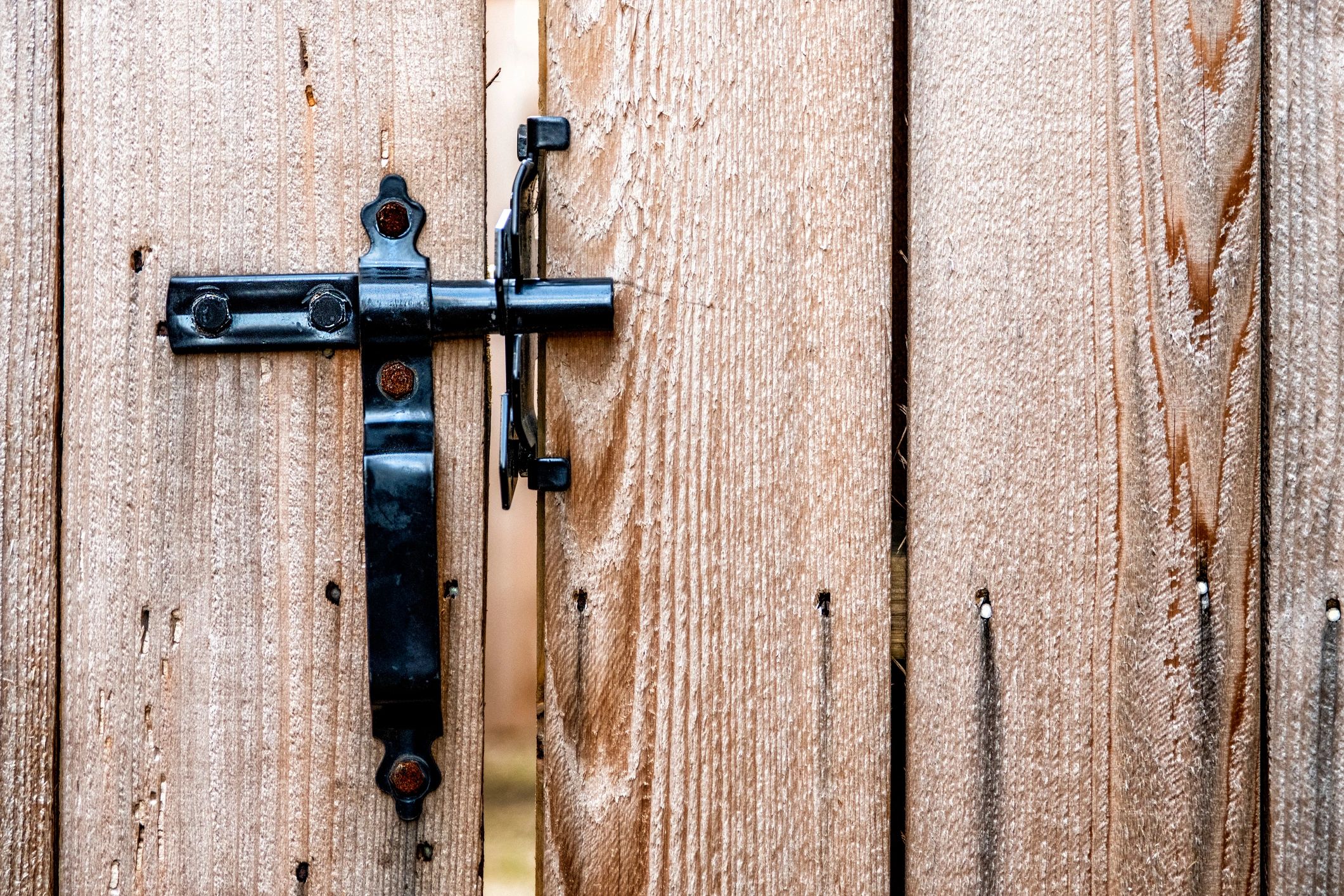
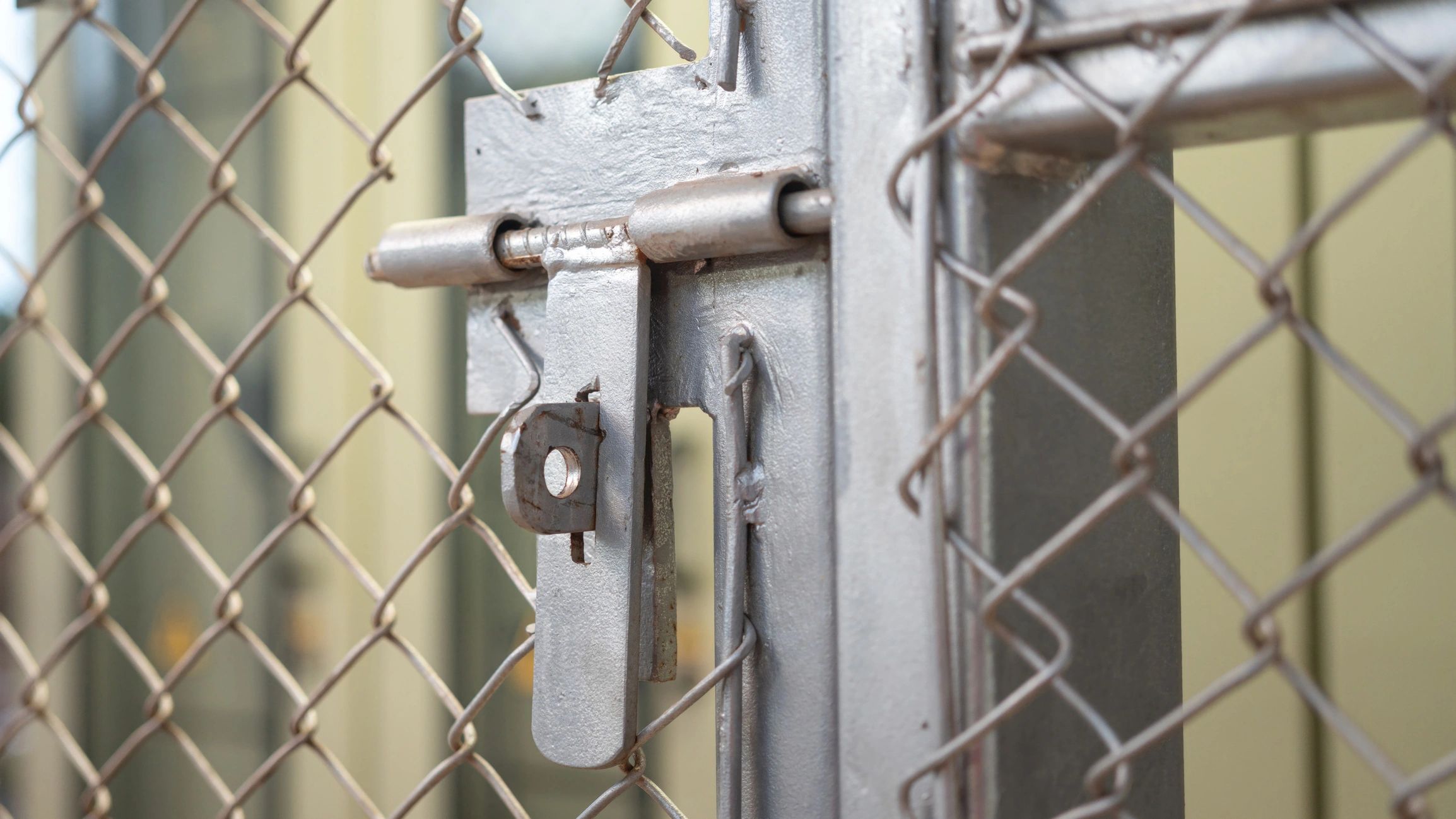
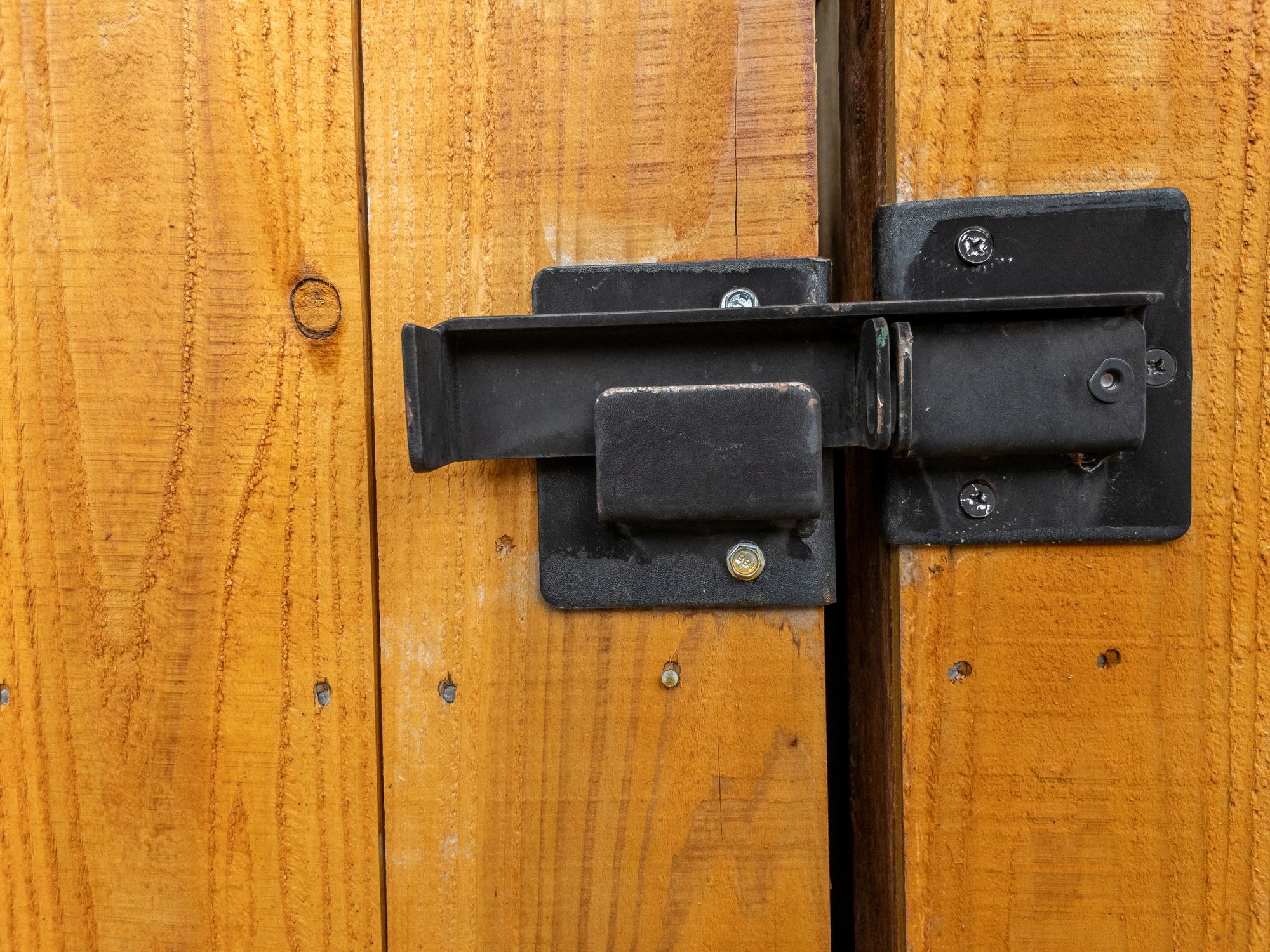
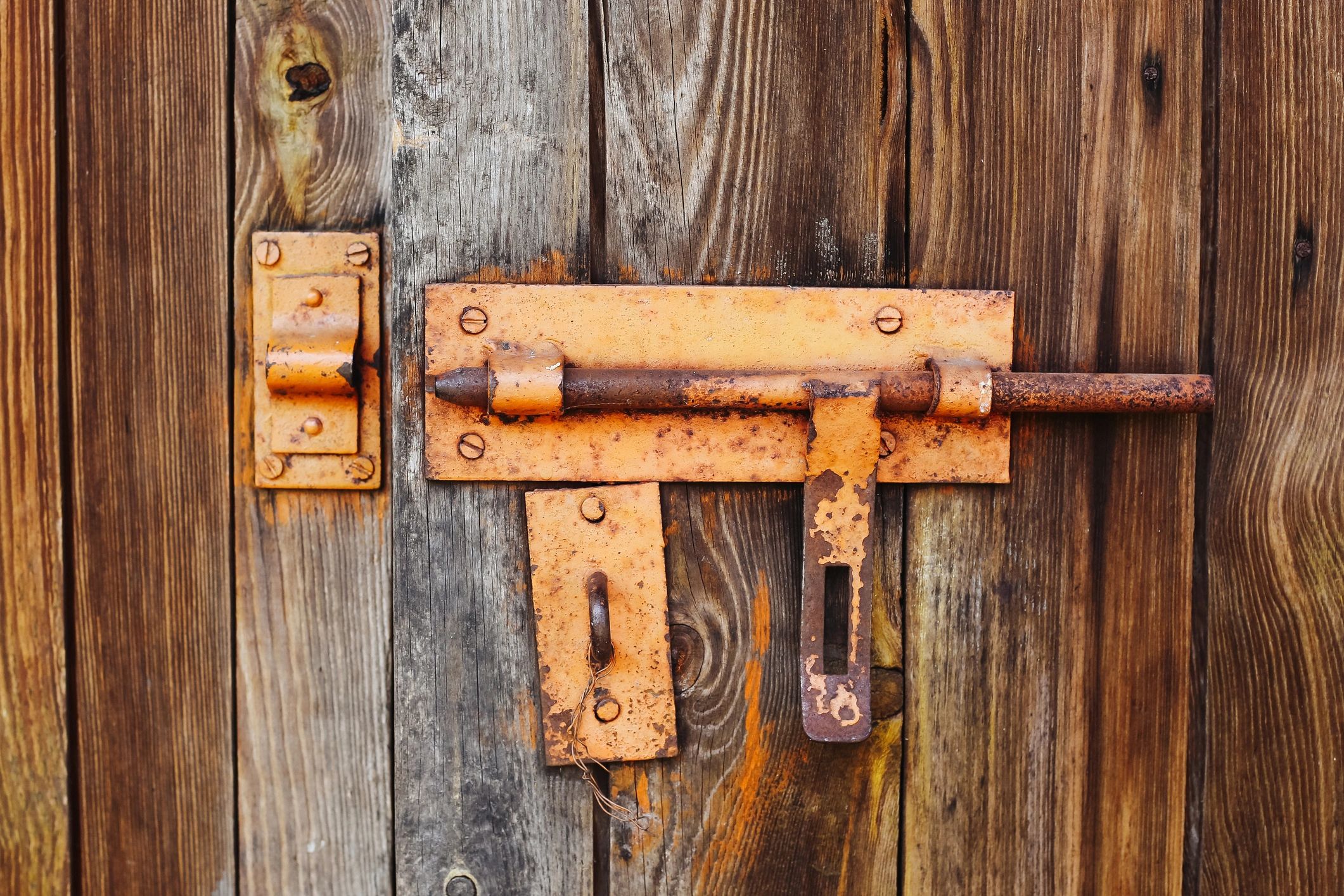
Gates + hardware
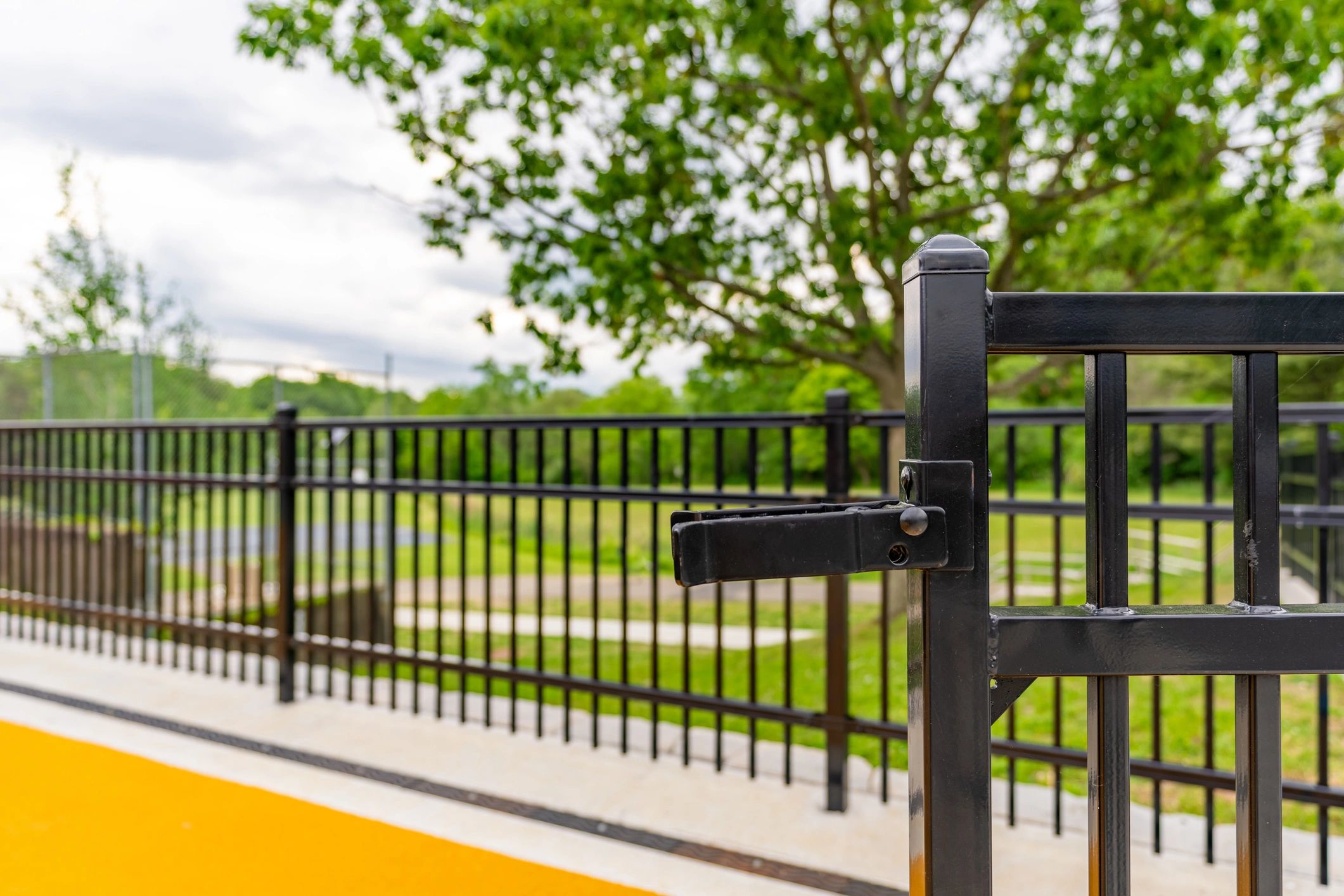
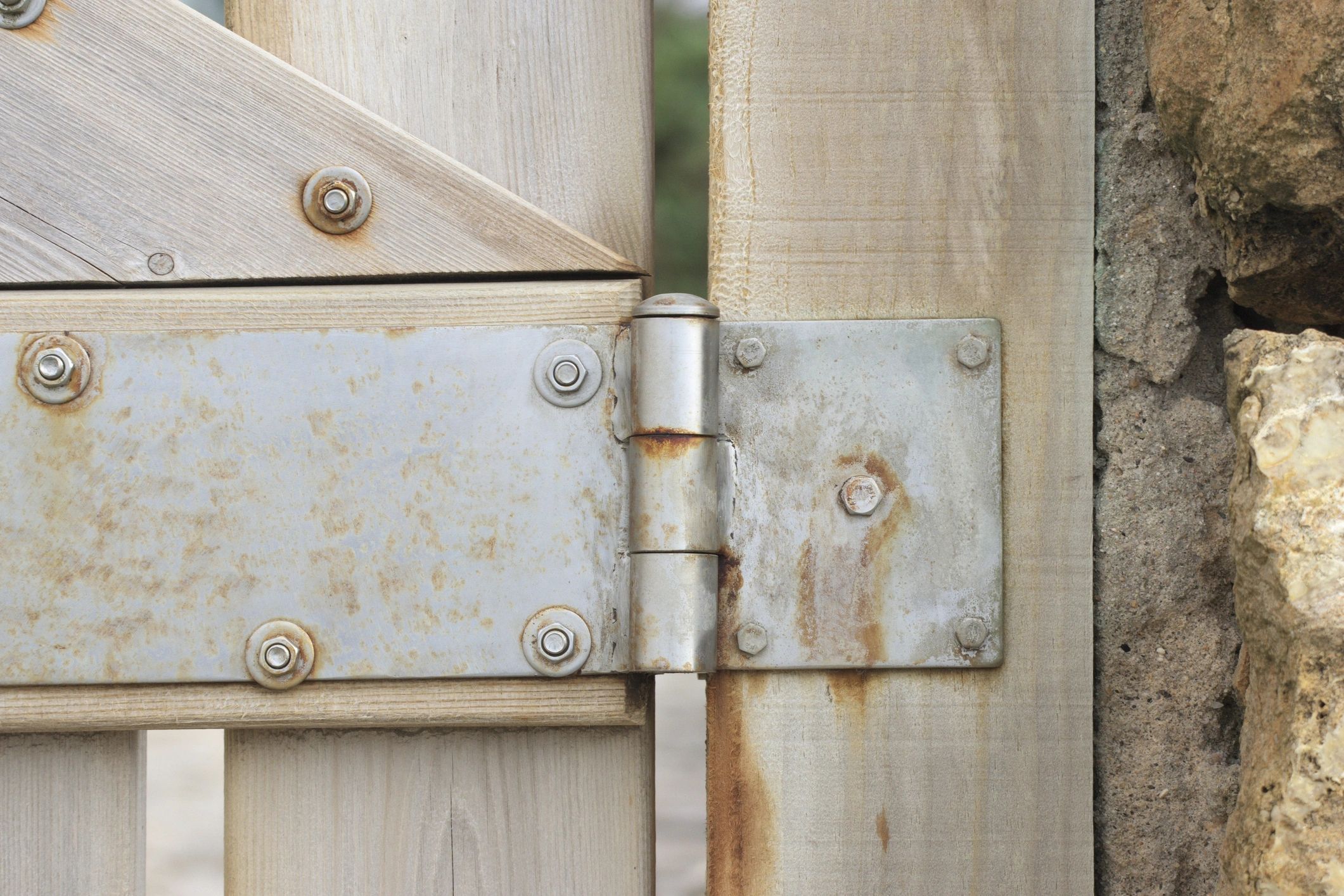
Hinges, latches, and bracing make or break the project.
When to hire a pro
Slopes, long runs, automation, and security needs often require experience.
DIY fence types you can build
Most DIY projects fall into a few common build styles. Start here, then match materials to the look and function you want.
- Chain link (posts, top rail, fabric, tension system) — see Chain Link
- Wood privacy (posts, rails, pickets/panels) — see Wood Fences and Solid Privacy
- Picket (shorter posts, rails, pickets) — see Picket
- Post and rail (open rural look) — see Post and Rail
- Board on board (privacy + stronger wind resistance) — see Board on Board
- Vinyl (pre-made panels + routed posts) — see Vinyl
- Ornamental / metal (panels + brackets, often best pro-installed) — see Ornamental and Aluminum/Iron/Metal
- Composite (boards + hidden fasteners, expansion gaps matter) — see Composite
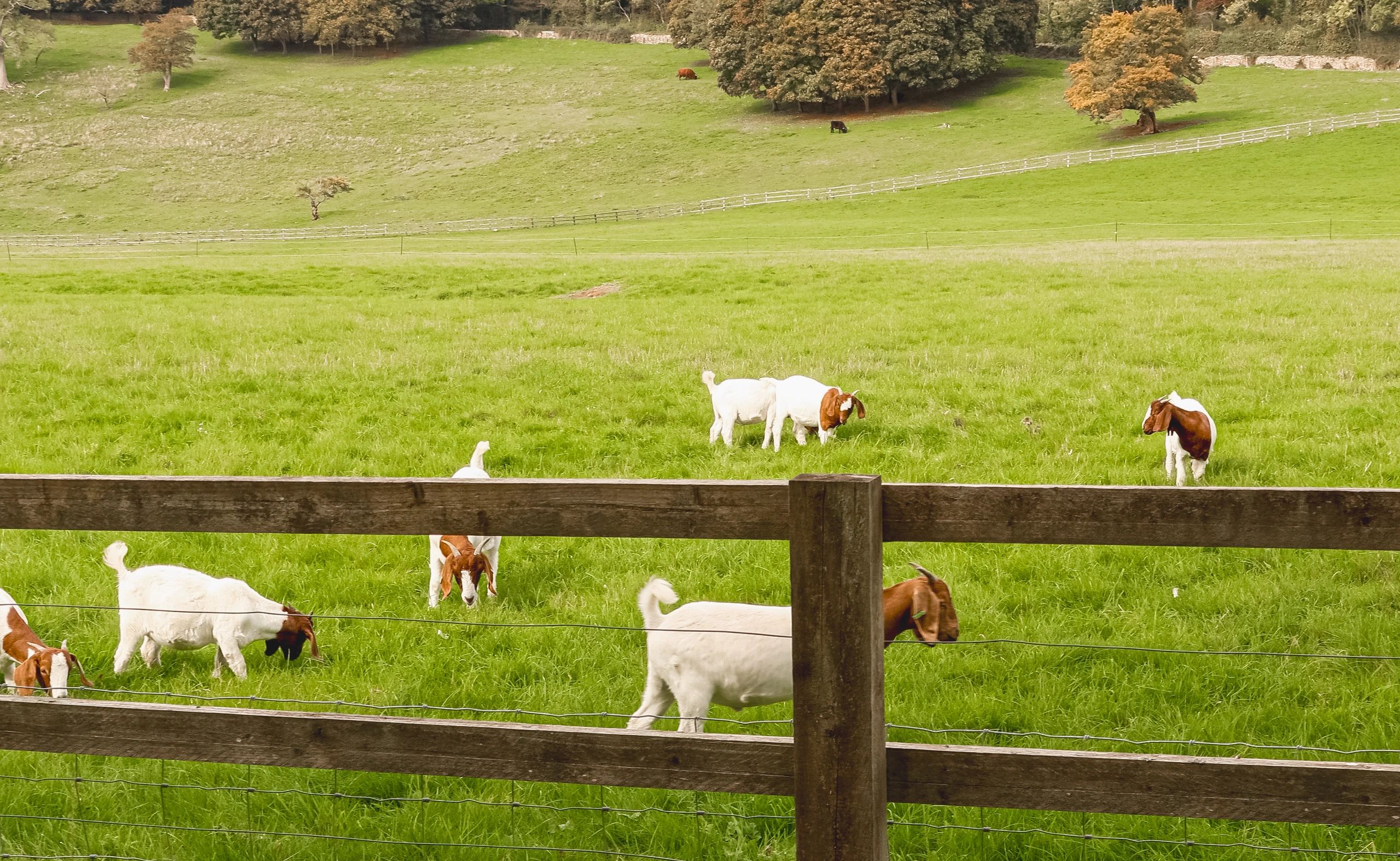
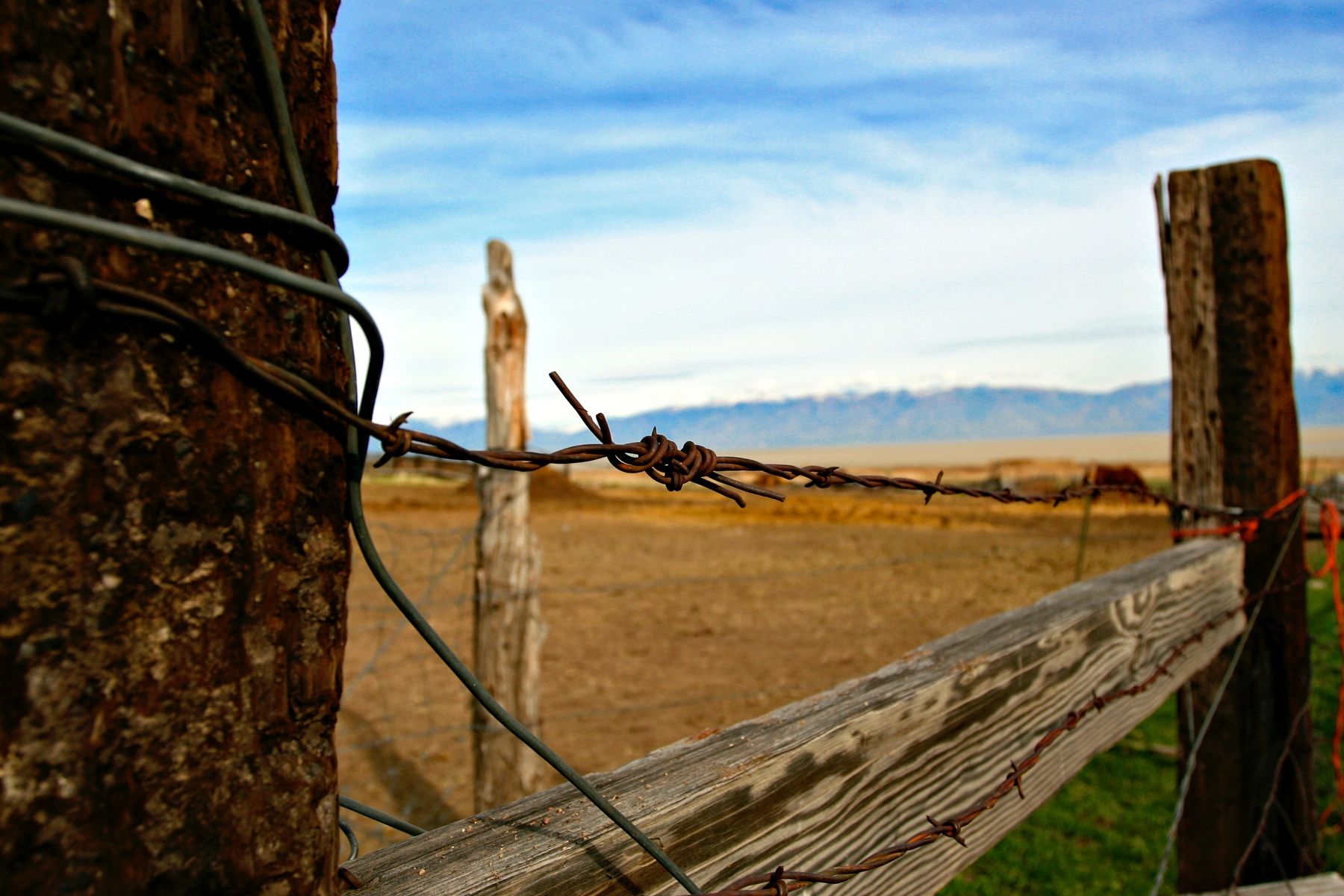
- Barbed wire (farm use; safety + tensioning required) — see Barbed Wire
Want a broader view? Browse Fence Categories for use-cases like privacy, security, farm & game, and commercial.

DIY gates: what to build
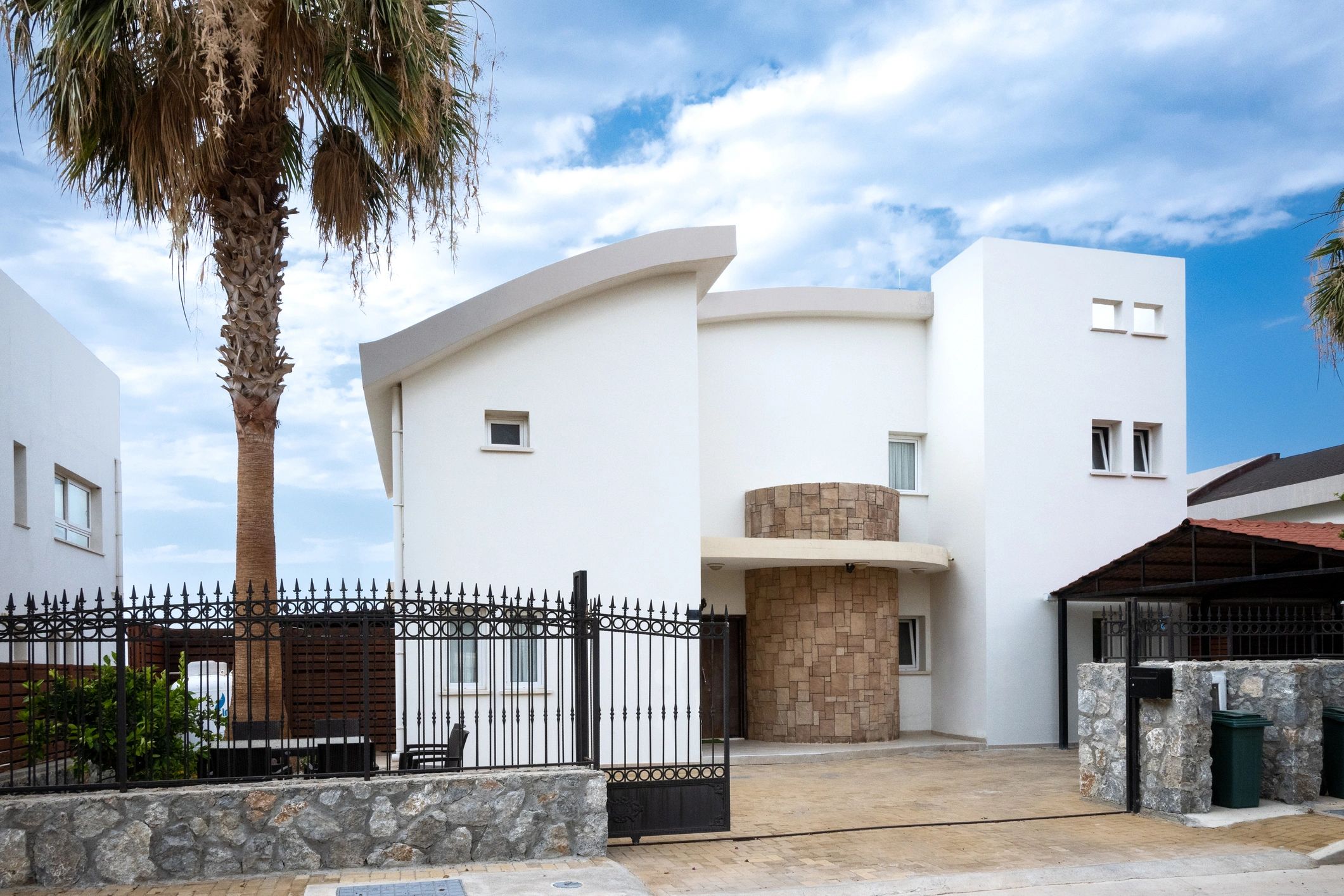
Gates are where DIY installs fail most often. Focus on strong posts, proper bracing, and quality hardware.
- Walk gates for yards and pools — Walk Gates
- Driveway gates (estate/rolling/cantilever) — Estate Gates, Rolling Gates, Cantilever Gates
- Barrier gates for controlled vehicle entry — Barrier Gates
- Pre-hung gates for faster installs — Pre-Hung Gates
Need automation? Start with Gate Openers and choose a system: Swing, Slide, or Pedestrian.
For security, explore Fencing Accessories and Locks (including Deadbolts, Padlocks, and Smart Locks).
Planning, permits, and 811
- Confirm your property line (survey stakes, plat map, or a surveyor if needed).
- Check local rules (height limits, setbacks, pool code, HOA requirements).
- Call 811 before you dig and wait for markings. Don’t assume utilities are deep or straight.
- Plan gate locations first (driveway slope, swing clearance, latch side, and access needs).
- Mark your layout (corners, ends, and changes in direction), then run a straight reference line.
Not sure what your area requires? We serve the entire state—start at LA Coverage and request help on our Contact page.


Tools and materials checklist
The right tools save time and help prevent crooked lines, loose posts, and sagging gates.
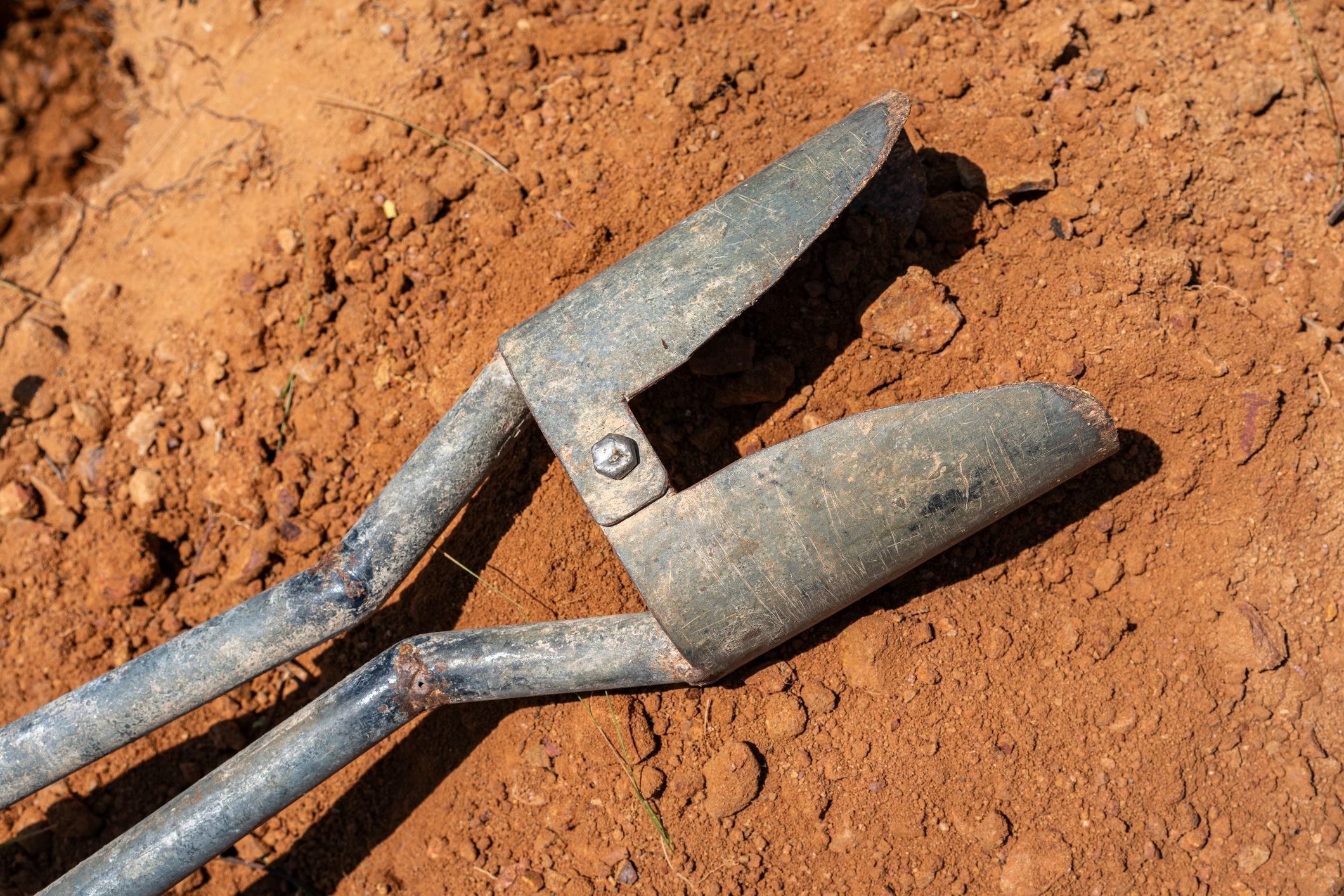
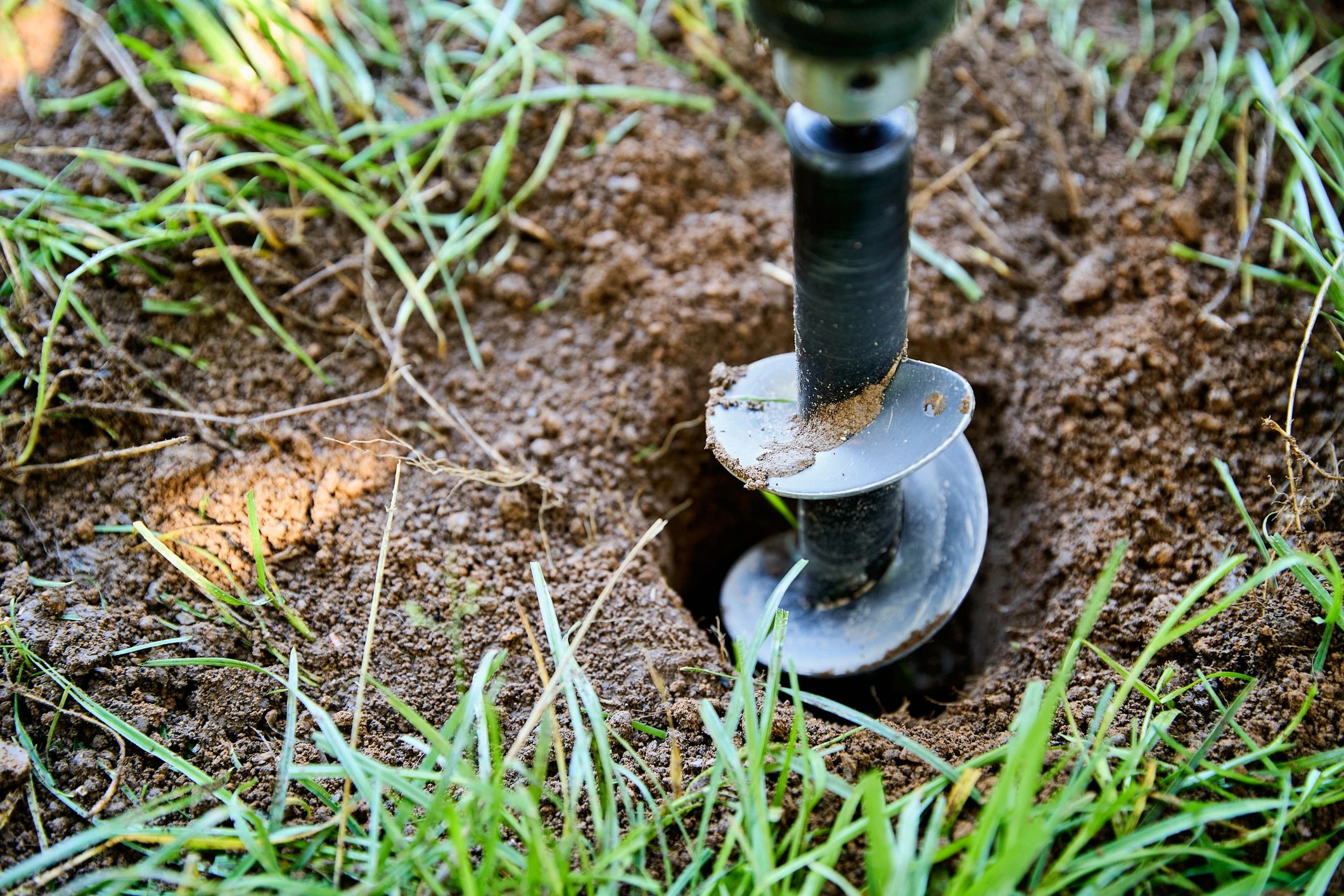
- Post hole digger or auger
- String line, stakes, tape measure
- Level (2′ and 4′) and plumb bob
- Shovel, digging bar, wheelbarrow
- Concrete mix (or gravel + tamping plan)
- Fasteners rated for exterior use
- Gate hardware: hinges, latch, drop rod (as needed)
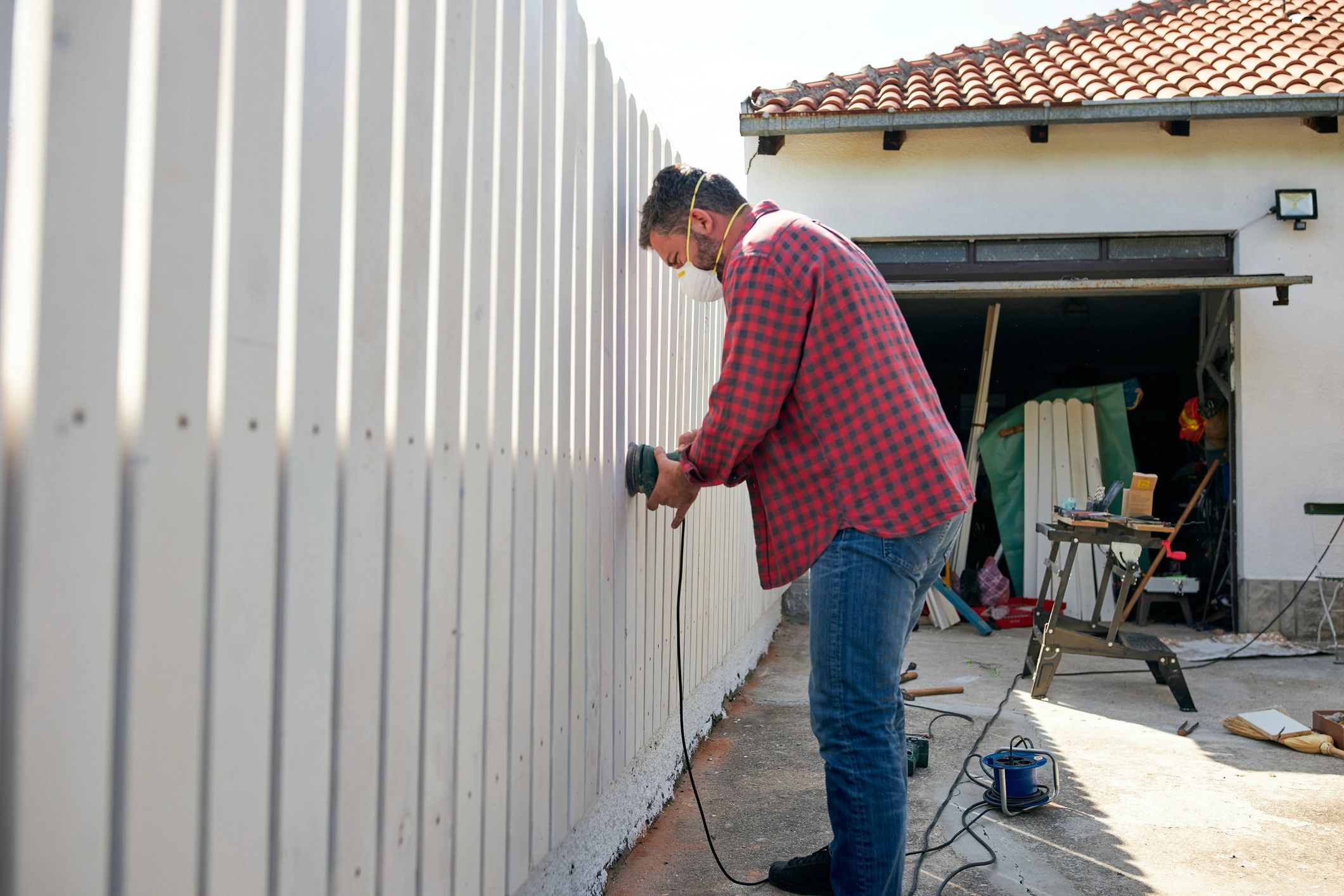
- PPE: gloves, eye protection, hearing protection
Need hardware fast? Start with Fencing Accessories (see Hinges, Latches, Closers, and Post Caps).
Post setting, concrete, and bracing
In Louisiana soil conditions, post setting is everything. Your fence is only as straight and strong as its posts.
- Depth: set posts deep enough for your fence height and wind exposure.
- Drainage: consider gravel at the bottom of the hole to reduce standing water.
- Concrete: mix to the right consistency and crown the top to shed water.
- Bracing: brace corners, ends, and gate posts—especially for long runs.
- Alignment: set corner/end posts first, then run a line for intermediate posts.
If you’re building a driveway gate or adding automation, we recommend professional installation for gate posts, hinges, and operator geometry. See Gates and Entries and Gate Openers.
Common DIY mistakes (and how to avoid them)
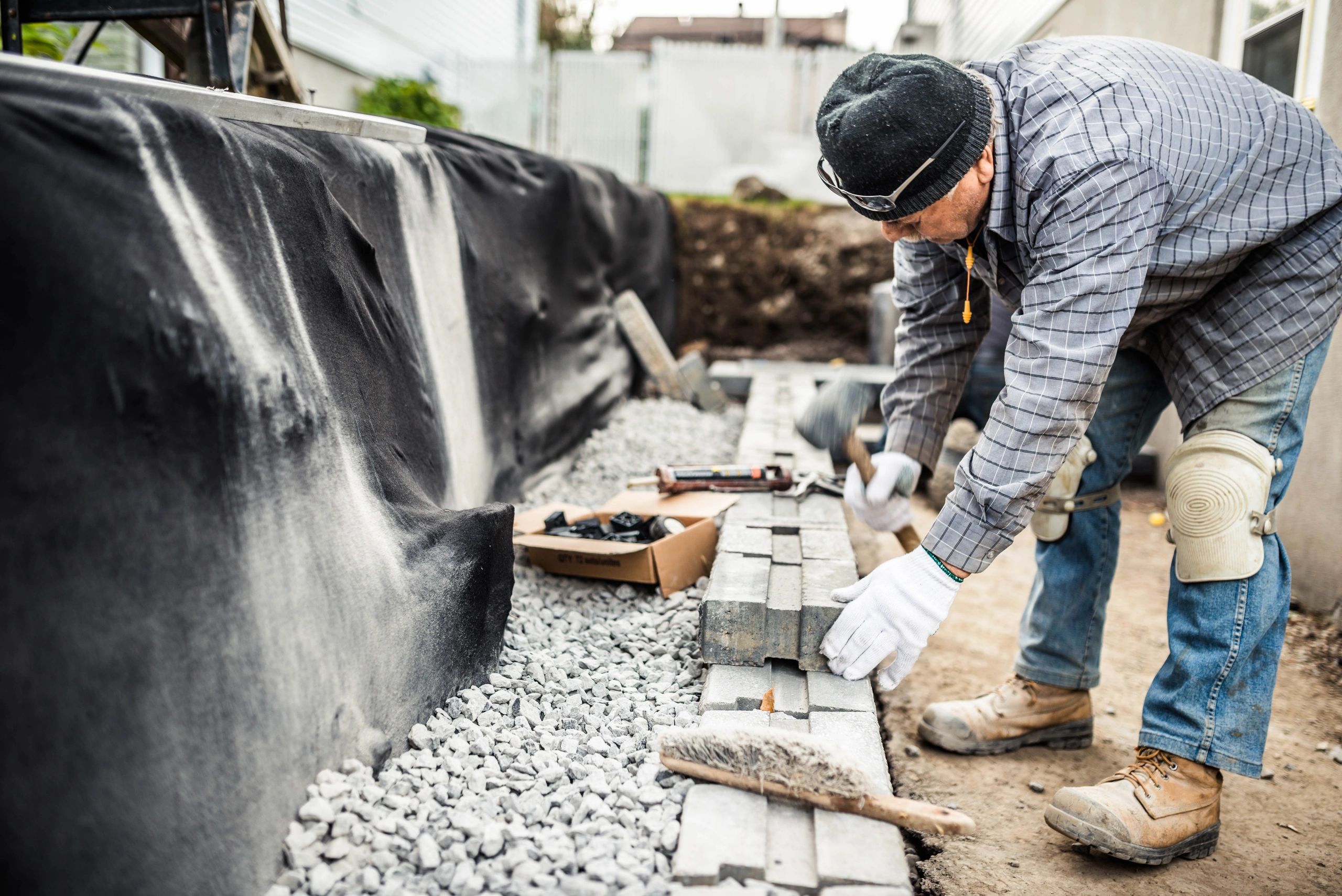
- Skipping 811 and hitting utilities
- Setting posts too shallow or out of plumb
- Not bracing corners and gate posts
- Using indoor fasteners that rust quickly
- Hanging a gate before the posts are fully set
- Ignoring slope (panels don’t follow grade automatically)
- Underbuilding latches/locks for security needs
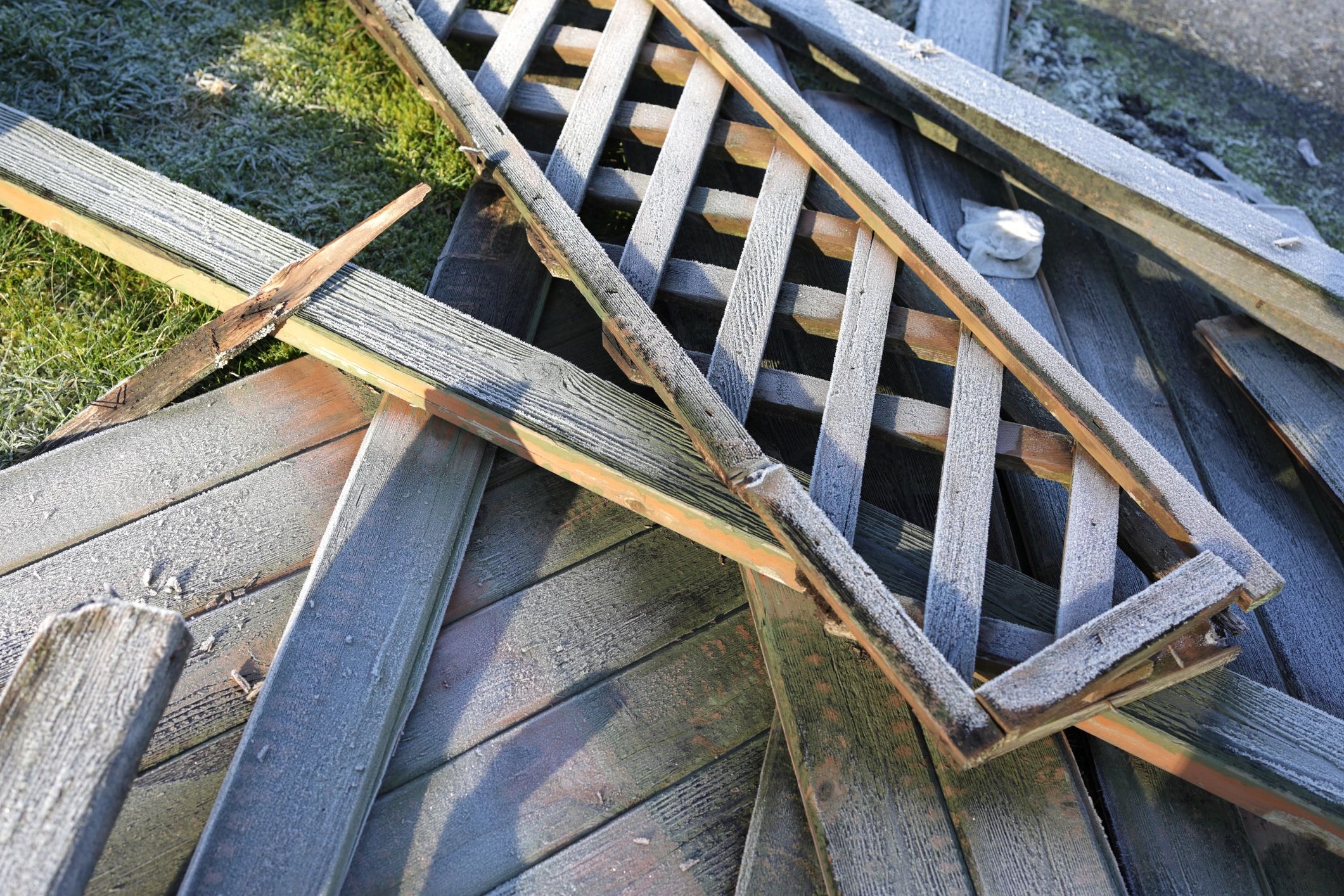
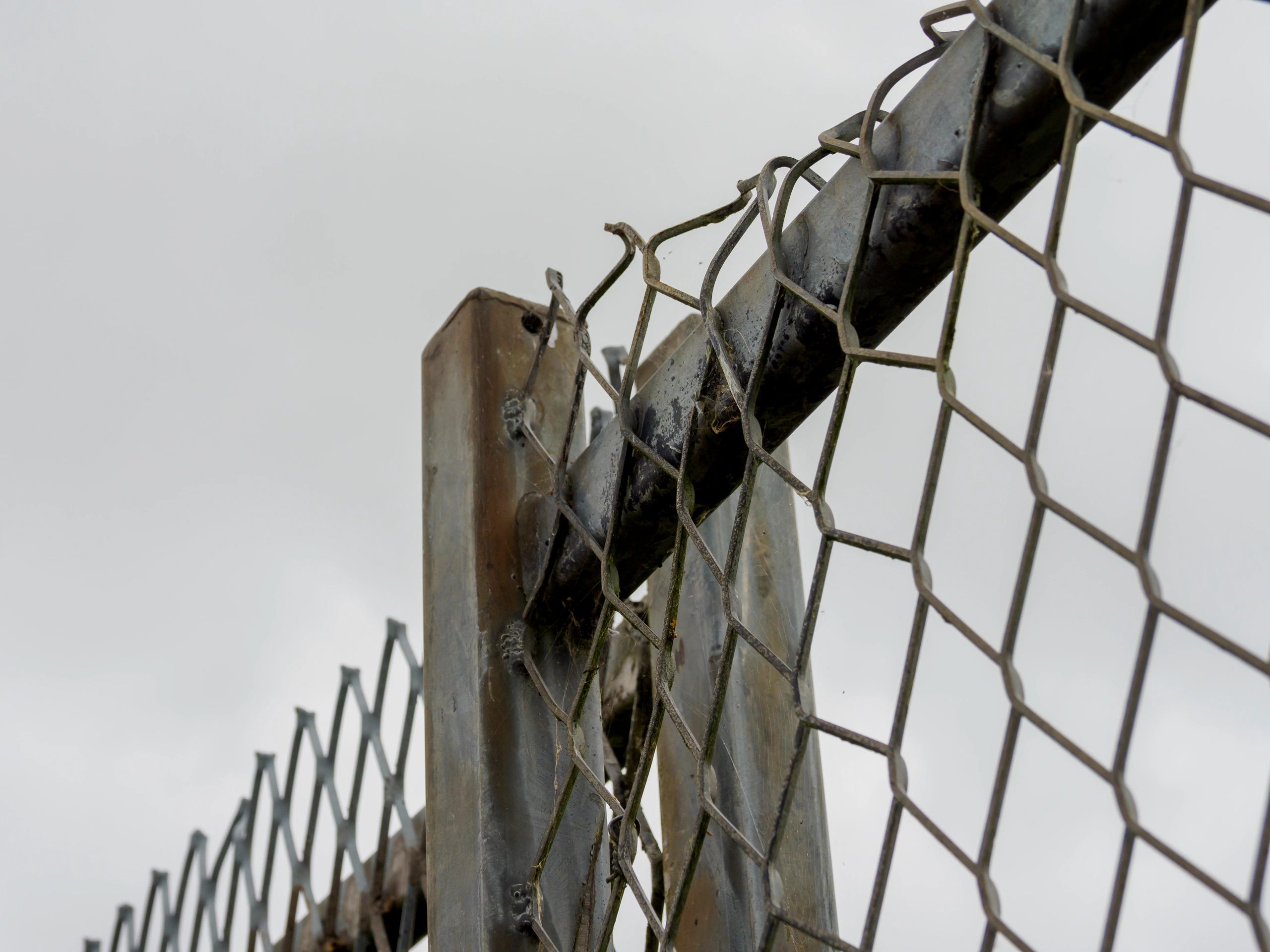
Already dealing with a leaning fence, loose posts, or a sagging gate? See Fence Repairs.
DIY vs pro: decision helper
DIY is a good fit if…
- Your fence run is short and mostly level
- You can dig to proper depth and set posts plumb
- You’re using straightforward materials (pickets/panels or chain link)
- You don’t need automation or high-security access control
Consider a pro if…
- You need a driveway gate, cantilever/rolling system, or automation
- Your property is sloped, wet, or has tricky soil
- You need code/HOA compliance or pool safety requirements
- You want stronger security (locks, access control, anti-climb)
- You want it done fast with clean lines and tight gates
Maintenance tips for Louisiana weather
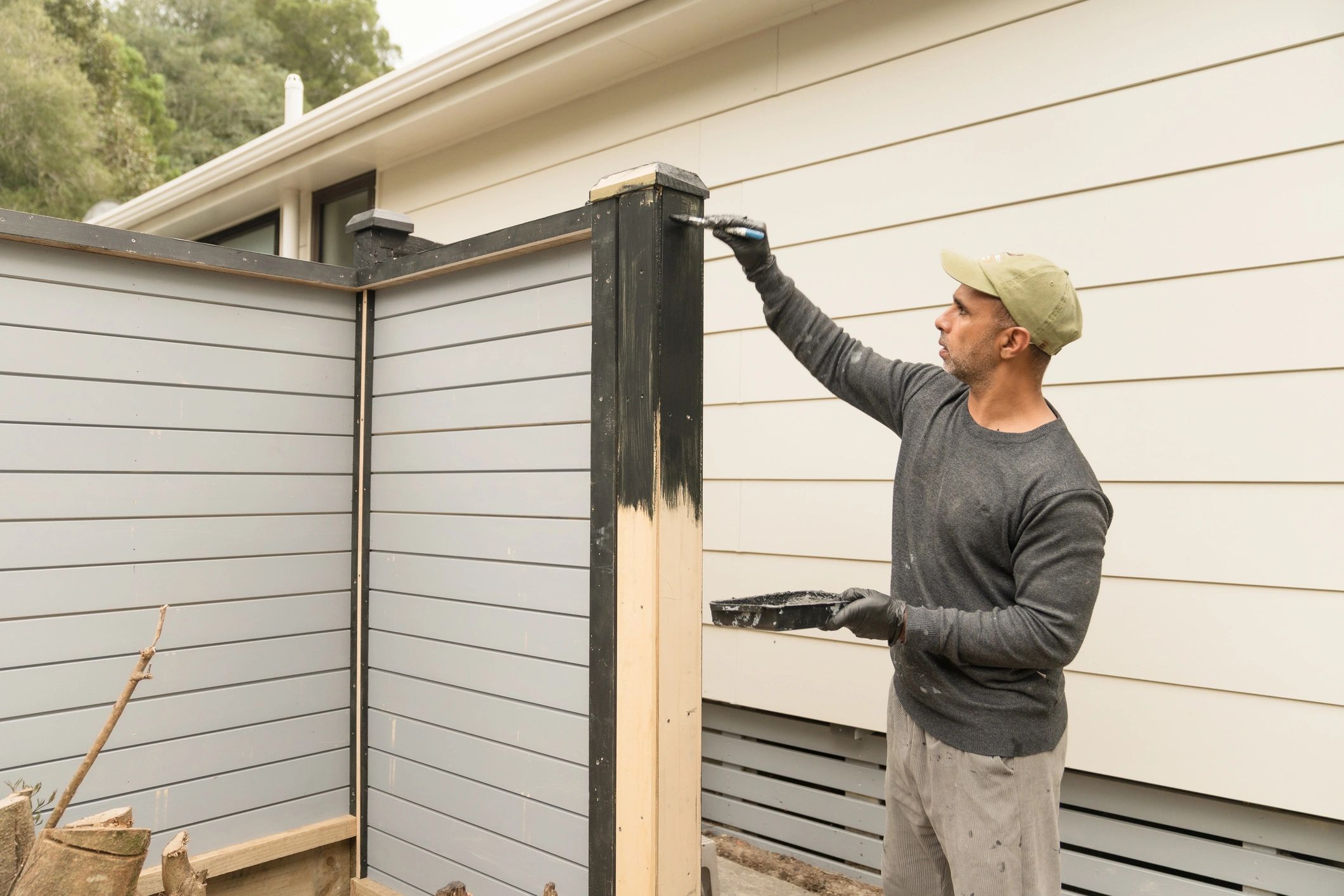
- Wood: seal/stain, keep pickets off soil, and watch for rot at the base.
- Metal: check fasteners, treat rust early, and keep hinges lubricated.
- Chain link: keep tension, replace bent ties, and address leaning posts quickly.
- Gates: adjust hinges, keep latches aligned, and re-level sag before it worsens.
Need help after a storm? Visit Fence Repairs or request service on our Contact page.
DIY fencing FAQs
How deep should fence posts be?
Depth depends on fence height, soil, and wind exposure. The safest approach is to follow local best practices and manufacturer guidance for your system—and go deeper for gate posts.
Should I use concrete for posts?
Concrete is common for strength, especially for gates and taller fences. In wet areas, drainage and proper crowning matter to reduce standing water around the post.
What’s the easiest fence to DIY?
Short, level runs of wood picket/privacy or chain link are usually the most DIY-friendly. Slopes, long runs, and driveway gates increase difficulty quickly.
Can I automate an existing gate?
Sometimes, but the gate must be square, properly supported, and move smoothly. Many “retrofit” projects require reinforcing posts, hinges, and the gate frame first. See Gate Openers.
Do I need a permit for a fence in Louisiana?
Rules vary by parish/city and HOA. Always check local requirements and call 811 before digging.
Want a pro to handle it?
We build fences and gates across Louisiana with clean lines, strong posts, and gates that swing true. Tell us what you’re planning and we’ll help you choose the right materials and layout.