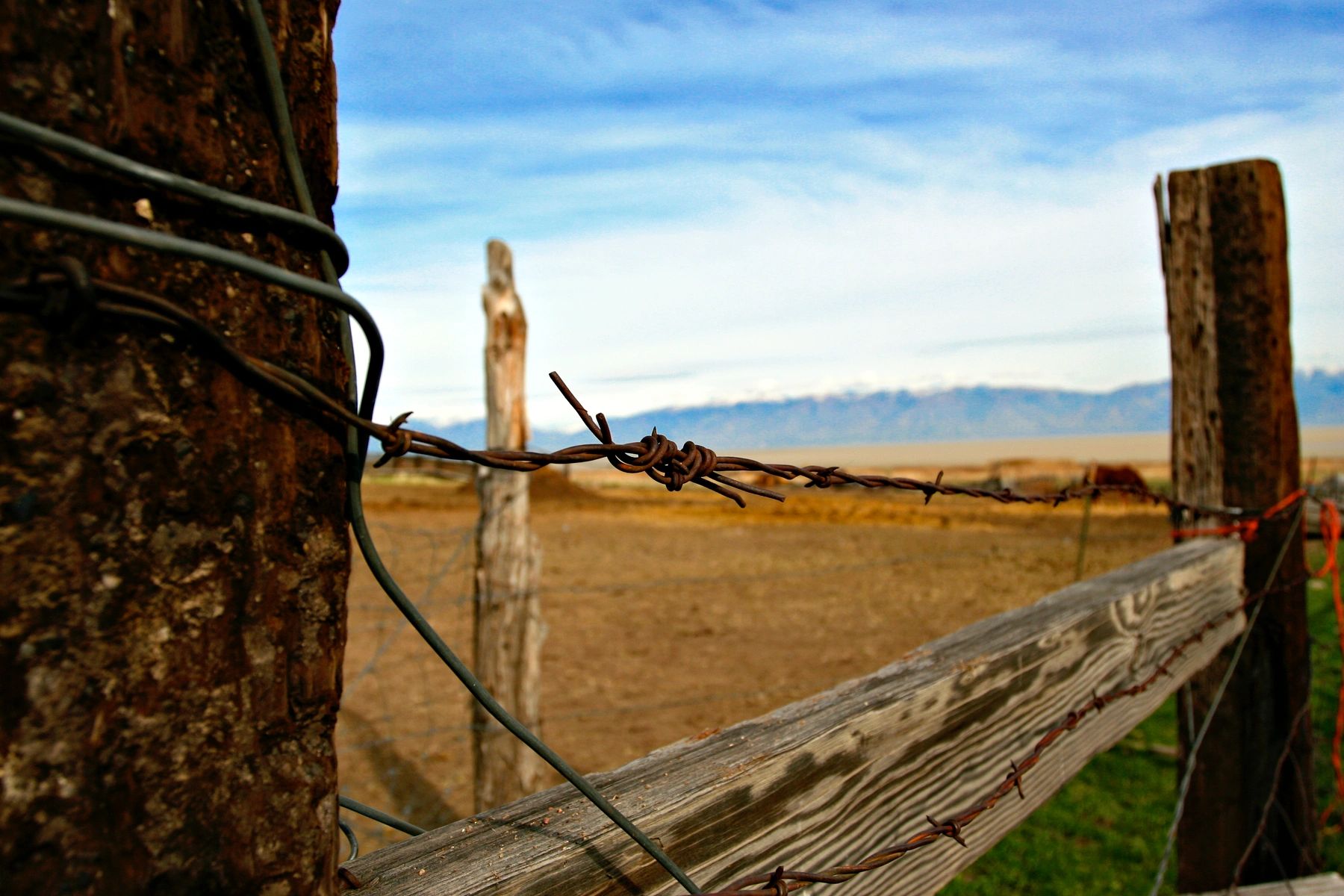
Barbed Wire Fences in Louisiana
Built for pasture, perimeter lines, and rural property boundaries. We install barbed wire fencing that holds tension, handles wet soils and fast vegetation growth, and works with the gates and crossings you need.
Statewide service across Louisiana parishes. Need a different fence style? See Fence Styles.
When barbed wire is the right fit
Barbed wire is a practical, cost-conscious choice for long runs where you need a clear boundary and dependable containment. We’ll help you choose strand count, wire type, bracing, and gate layout for your land.
- Best for: cattle and pasture fencing, perimeter lines, rural property boundaries, and adding a deterrent at the top of an existing fence
- Not ideal for: small pets, high-traffic residential yards, or areas where people frequently brush against the fence
- Common pairings: Farm & Game Fences, Security Fences, and Fence Repairs
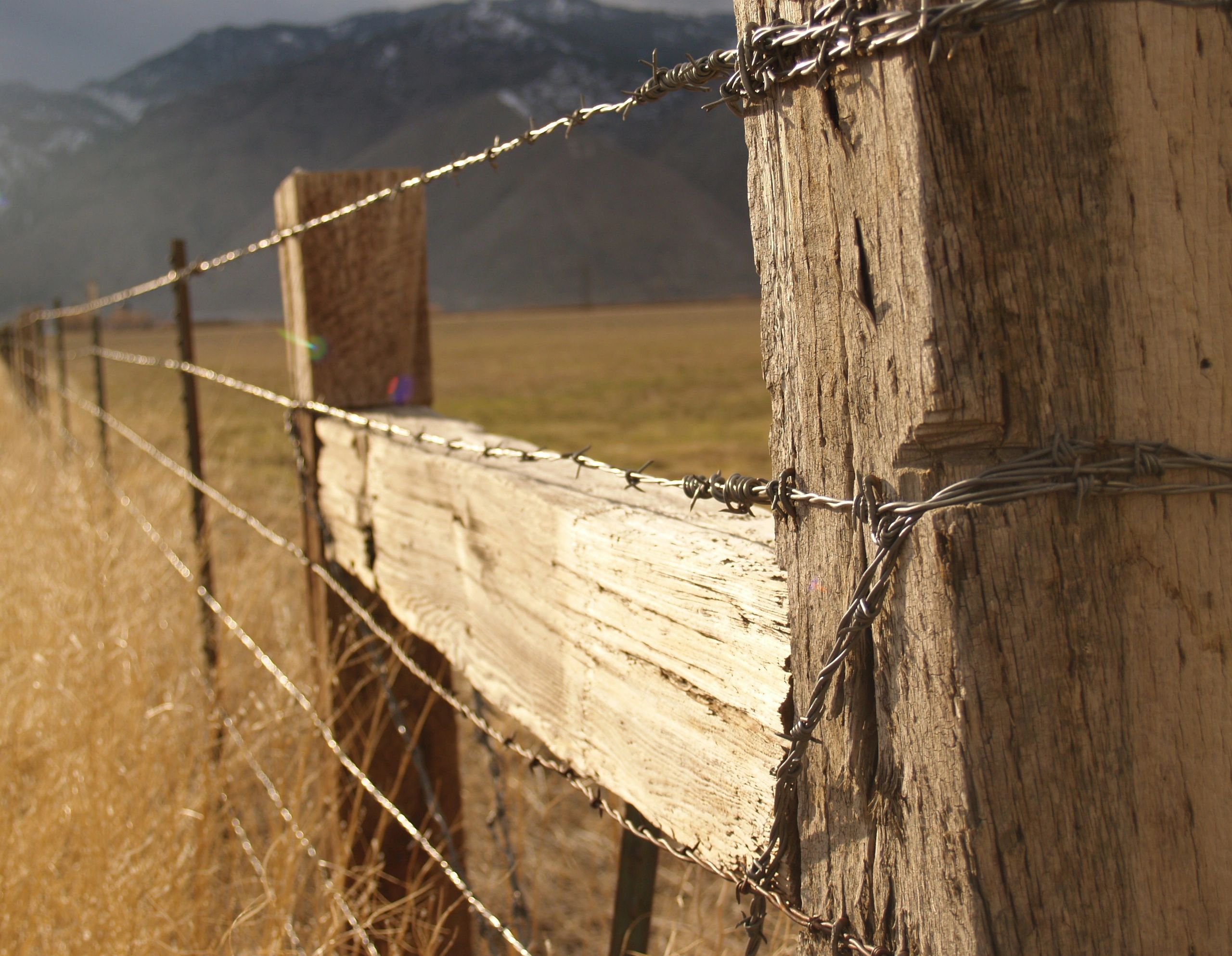
Common barbed wire fence types
We build barbed wire systems based on livestock pressure, run length, soil conditions, and the level of tension you want to maintain over time.
Standard barbed wire
A classic choice for general pasture and perimeter fencing. Great for long runs with properly braced corners and consistent post spacing.
High-tensile barbed wire
Designed to hold tension better and reduce sag on longer spans. Often paired with stronger bracing and tighter spacing where needed.
3, 4, or 5 strands
Strand count is chosen by animal type, terrain, and desired height. We’ll set strand spacing for consistent containment and visibility.
Barbed + woven wire combo
Add barbed strands above woven wire for extra deterrence and height—useful for mixed livestock and boundary control.
Barbed wire on top
Install barbed wire above an existing fence (often chain link or metal) to increase security and discourage climbing.
Property line fencing
We can align runs with survey markers, handle corners and elevation changes, and plan gates for equipment access.
Typical use cases
- Cattle & pasture: strand count and spacing tuned for pressure points near water, feed, and corners
- Perimeter & property lines: long runs with clear visibility and reliable bracing at corners and changes in direction
- Farm & ranch access: gates sized for tractors, trailers, and equipment turns
- Deterrence: barbed wire added to the top of an existing fence where appropriate
Not sure what you need? Start with Farm & Game Fences or request a quote on our Contact page.

Posts, braces, and corners
Wood posts
Common for corners, end posts, and brace assemblies. Wood offers strong holding power in many soils and works well for H-braces.
- Great for corners, gates, and changes in direction
- Pairs well with high-tensile systems when properly braced
Steel T-posts
Efficient for line posts on long runs. We’ll set spacing based on terrain and tension, and use proper clips and alignment.
- Fast installation for long straight runs
- Works well with standard barbed wire and combo systems
H-braces & corner bracing
Bracing is what keeps a barbed wire fence tight. We build corners and ends to resist pull, wet-soil movement, and storm stress.
- Corner assemblies sized to run length and tension
- Extra bracing at dips, rises, and direction changes
Wire specs: gauges, barbs, and spacing
Wire gauge
Gauge affects strength, stretch, and longevity. We’ll recommend a gauge based on animal pressure, run length, and whether you’re using standard or high-tensile wire.
Barb spacing
Barb spacing impacts deterrence and safety. We’ll balance effectiveness with practical considerations for livestock handling and fence-line access.
Heights & strand spacing
Fence height and strand spacing are set for the animals you’re containing and the terrain you’re crossing. We can tighten spacing near the bottom where needed and adjust for dips and rises.
For mixed systems, we can combine barbed wire with woven wire or other farm fencing to improve containment while keeping the build efficient.
Gates, crossings, and access
We plan access points early so your fence works with daily routines—feeding, equipment movement, and property entry.
Walk gates
Convenient access for daily checks and foot traffic. Explore options on Walk Gates.
Equipment gates
Openings sized for tractors, trailers, and turns. See more on Gates and Entries.
Automation (optional)
For drive gates, we can coordinate with Gate Openers options and power requirements.
Installation process
1) Layout & planning
We confirm run lines, corners, and access points, then plan bracing and post spacing for your terrain and tension needs.
2) Set corners & braces
Corners and ends are installed first so the fence can hold tension. We add bracing at direction changes and stress points.
3) Line posts & wire
We set line posts, stretch wire to spec, and clip/fasten each strand consistently—adjusting for dips, rises, and soft spots.
4) Gates & finishing
We install gates, check tension, and walk the line for safety and consistency. If you have an existing fence, we can integrate barbed wire where appropriate.
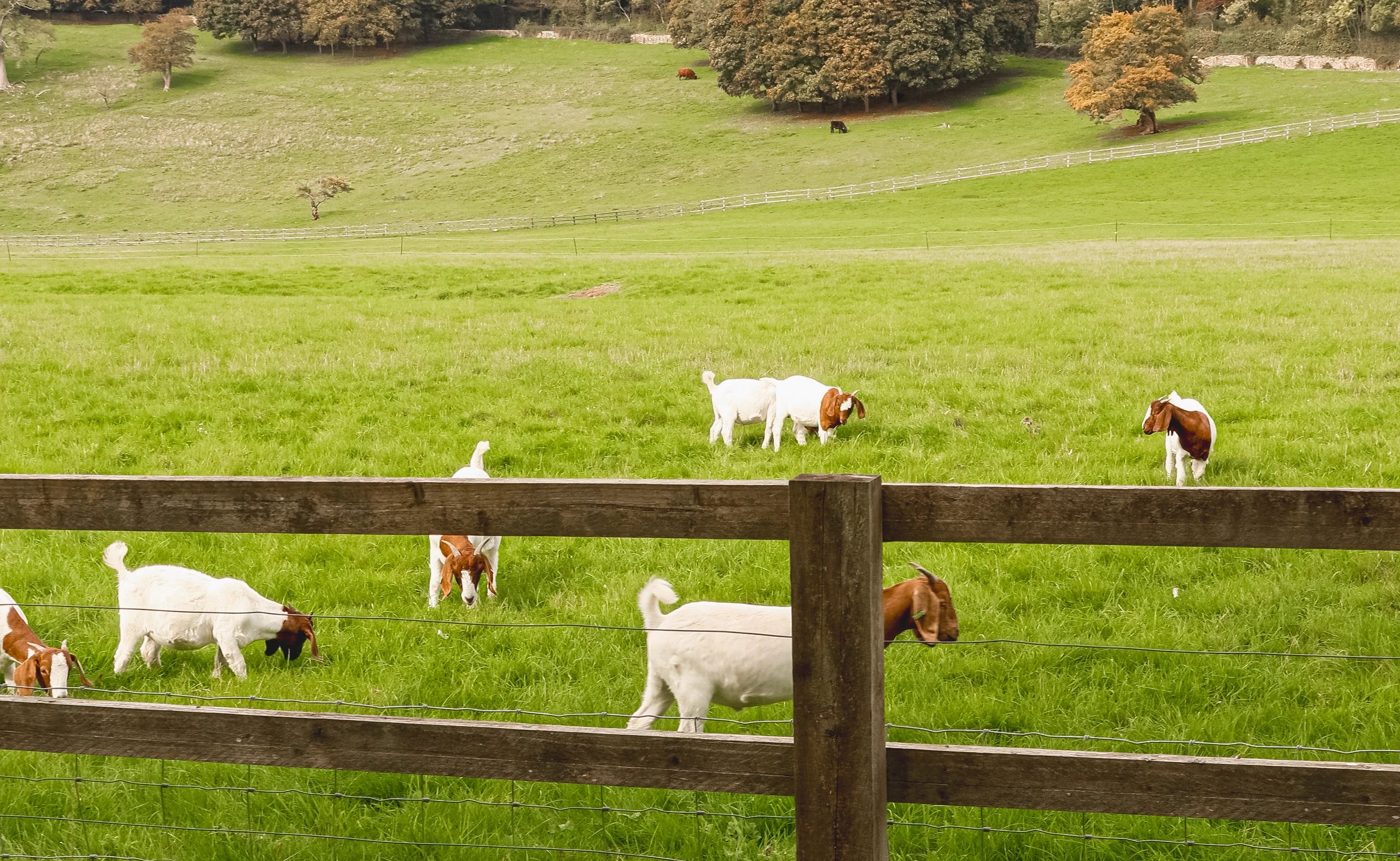
Maintenance and safety
Maintenance
- Walk the fence line periodically to check tension and clips
- Clear vegetation that pushes on strands and hides damage
- Re-tighten at corners/ends if soils shift after heavy rain
- Schedule repairs quickly to prevent sag and livestock pressure points
If you have storm damage or leaning posts, visit Fence Repairs.
Safety notes
- Keep barbed wire away from high-traffic walkways and play areas
- Use clear markings where people or equipment cross the line
- Plan gates and crossings to reduce climbing or squeezing through
- Consider alternative fence styles for pets and residential yards
Louisiana-specific considerations
Wet soils and flooding
Soft ground can shift posts and loosen tension. We plan bracing, post depth, and spacing to reduce movement after heavy rain and seasonal flooding.
Storms and wind
We build corners and ends to resist pull and add reinforcement where runs meet tree lines or open exposure. After storms, quick tension checks help prevent sag.
Fast vegetation growth
Louisiana growth can push strands and hide damage. We recommend a maintenance plan for clearing vines and brush along the fence line.
For statewide coverage, visit Service Areas.
Barbed wire fence pricing factors
Every property is different. Here are the biggest factors that affect barbed wire fence cost (we don’t list exact prices online):
Tip: If you can share your parish, approximate linear footage, and how many gates you need, we can quote faster.
- Total linear footage and number of corners/ends
- Wire type (standard vs high-tensile), strand count, and gauge
- Post choice (wood vs steel), spacing, and brace assemblies
- Terrain changes, clearing needs, and wet/soft soil conditions
- Gate count, gate size, and access requirements
- Repairs or integration with an existing fence line
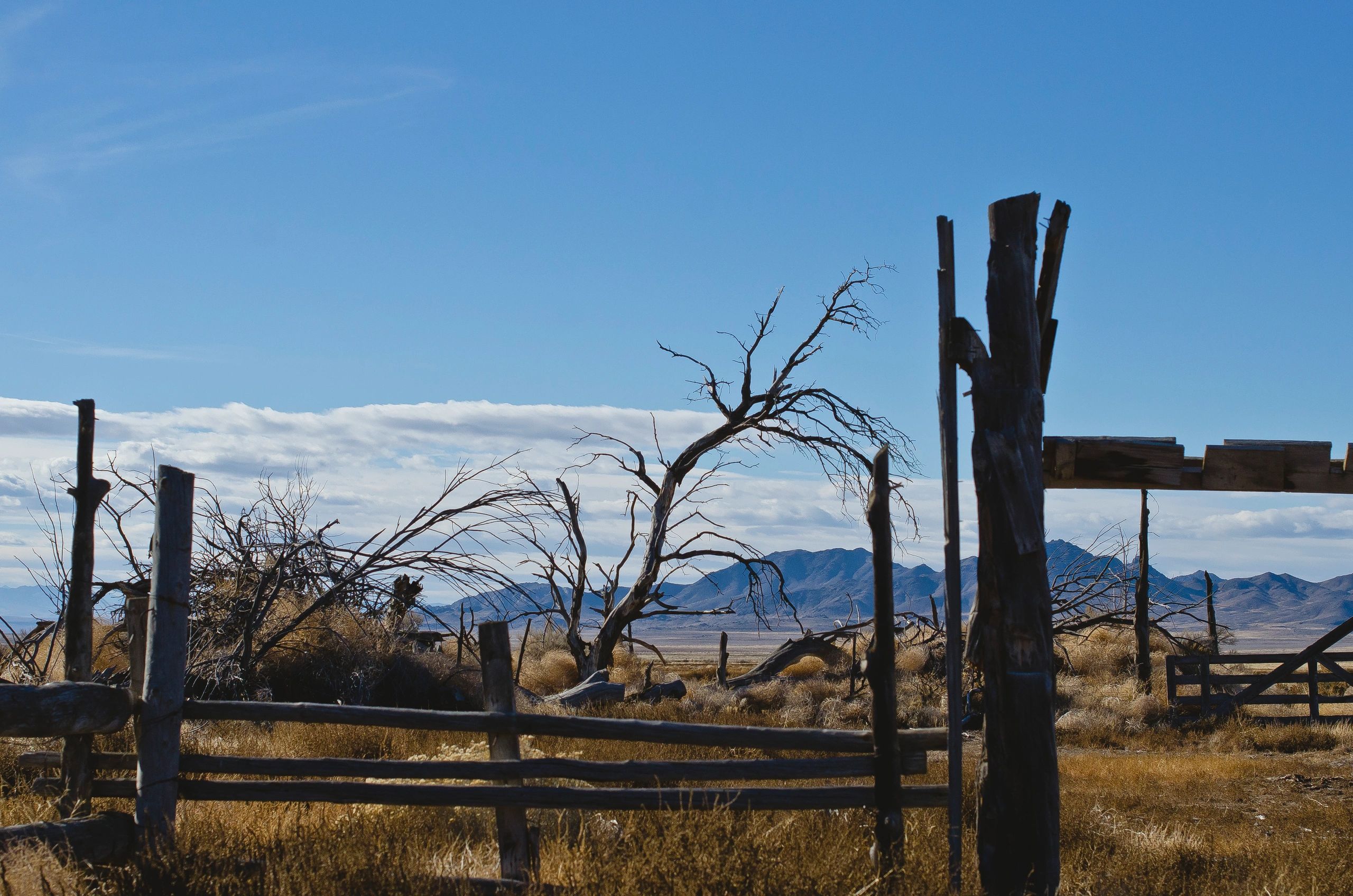
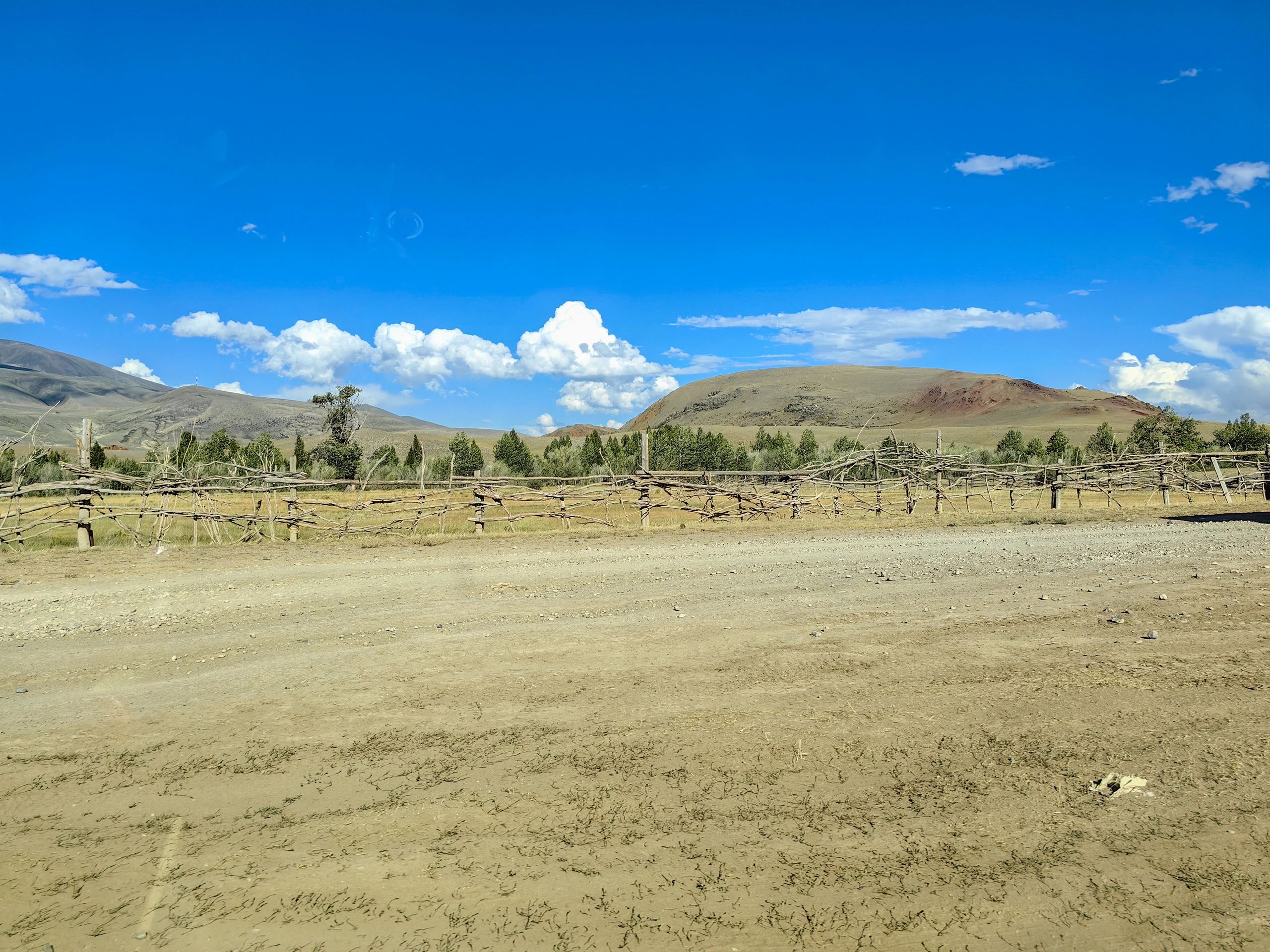
Barbed wire fence gallery
FAQs
How many strands do I need?
Most projects use 3–5 strands depending on livestock, terrain, and desired height. We’ll recommend spacing and strand count based on how the fence will be used.
Can you add barbed wire to an existing fence?
Yes—barbed wire can often be added to the top of an existing fence where appropriate. We’ll confirm the fence condition, post strength, and safe mounting approach.
Is barbed wire good for pets?
Typically no. Barbed wire is designed for livestock and deterrence, not pet containment. We can recommend safer options for residential yards.
Do you install gates with barbed wire fences?
Yes. We can install walk gates and equipment gates and plan crossings to reduce climbing and improve daily access. See Gates and Entries and Walk Gates.
Get a barbed wire fence that stays tight
Call: 318.794.4067 · Or request a quote online.
Tell us your parish, run length, and livestock needs. We’ll recommend the right wire, bracing, and gate layout for your property.
Explore related pages: Fence Styles · Service Areas · Gate Openers