Fencing Accessories
Gate Closers That Work Every Time
From spring hinges to hydraulic and pneumatic closers, we help you choose the right option for safety, code-driven needs, and everyday reliability.
Closer types
Common Gate Closer Options
Closers are chosen based on gate weight, wind exposure, how often it’s used, and how much control you need over closing speed and latching.
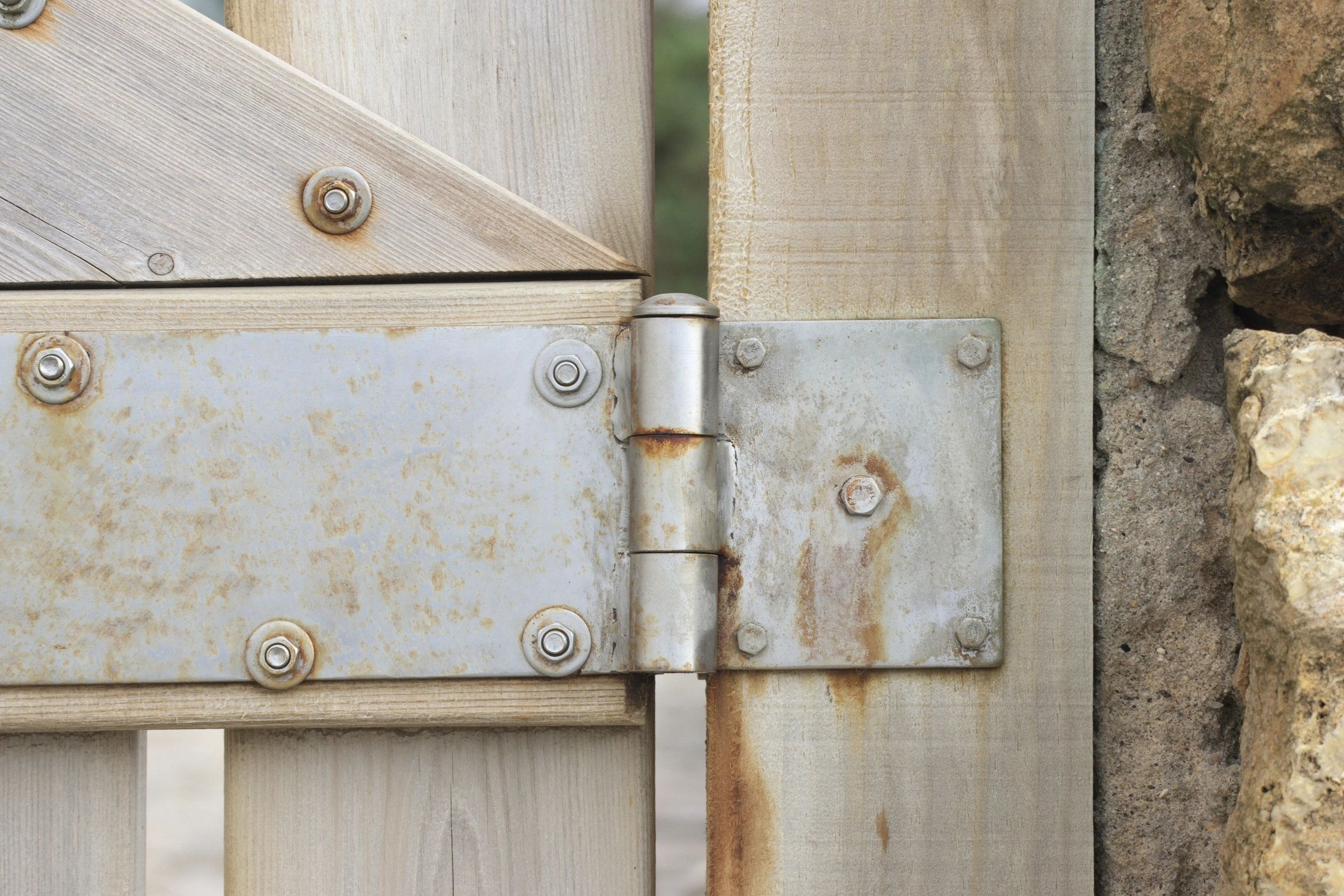
Spring hinges
A self-closing hinge that uses spring tension. Best for lighter gates and moderate traffic. Tension is typically adjustable to fine-tune closing force.
Hydraulic closers
Fluid-controlled closers for smooth, consistent closing. Ideal when you need controlled speed, less slamming, and dependable performance in high-use areas.
Pneumatic closers
Air-cylinder closers commonly used on residential and light commercial gates. A good fit for smaller gates when you want a simple, adjustable closer.
Specialty and heavy-duty setups
For wide, heavy, or wind-loaded gates, we may recommend heavy-duty closers, reinforced mounting, or paired components for reliable closing and latching.
Where Closers Matter Most
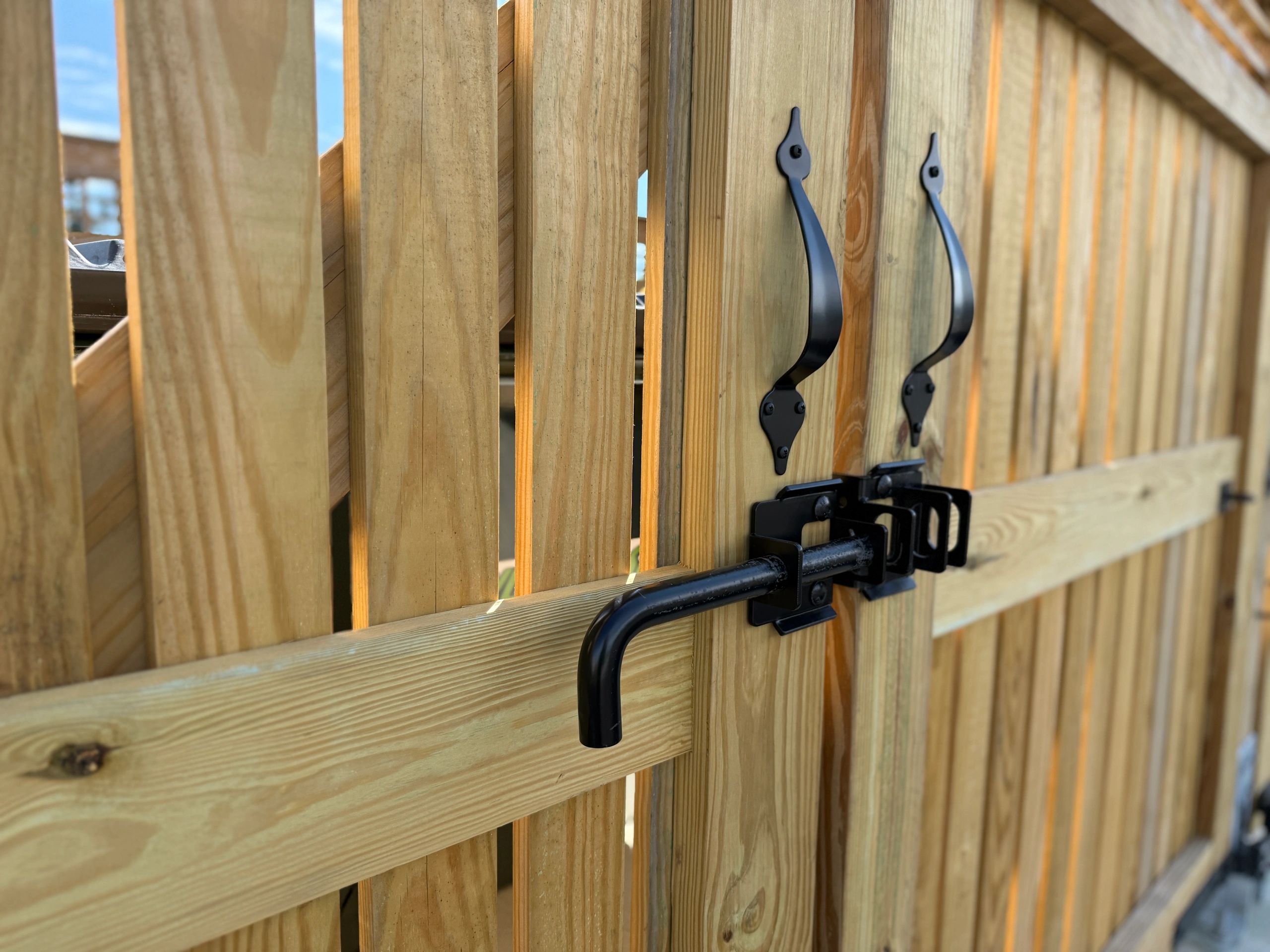
Pool and child-safety gates
Pool barriers often require self-closing and self-latching gates. We help confirm closer selection, mounting height, and latch alignment for consistent closing.
Commercial and multi-tenant properties
High-cycle use calls for durable hardware and controlled closing. Closers can reduce damage, noise, and maintenance caused by slamming.
Wind-exposed openings
Wind can prevent latching or cause hard slams. A properly sized, correctly adjusted closer helps the gate close smoothly and latch reliably.
Adjustability and Setup
A closer performs best when it’s sized correctly and adjusted for the gate, hinges, latch, and site conditions.
What adjustments are typically available?
Many closers let you tune closing force and/or speed. Some also allow separate control for the final “latch” portion so the gate closes gently but still latches.
Can a closer fix a gate that won’t latch?
Sometimes, but not always. If the gate is sagging, the latch is misaligned, or the hinges are worn, the closer may not overcome the underlying issue. We typically correct alignment first, then set the closer.
Do closers work on all gate materials?
Yes—closers can be used on wood, vinyl, chain link, and metal gates. The key is using the right mounting method and hardware for the gate frame and posts.
How do you size a closer?
We look at gate width and weight, hinge type, swing direction, wind exposure, and usage. Heavier or wider gates usually need heavier-duty closers and stronger mounting points.
Will a closer prevent slamming?
A properly adjusted hydraulic closer can significantly reduce slamming by controlling speed. Spring hinges can still close firmly, so adjustment and stop placement matter.
Can you install multiple closers on one gate?
On some heavy or high-wind gates, yes. Multiple components can improve control and reliability, but they must be installed correctly to avoid binding and premature wear.