Gate Latches for Every Application
Choose the right latch for your walk gate, pool gate, farm gate, or commercial entry. We’ll match latch style, material, and security level to your gate frame and daily use.
Types
Common latch styles
Latch style affects closure, one- or two-sided operation, and long-term alignment. Here are the most common latch types we install and service.
Gravity latches
A simple, reliable option that drops into place as the gate closes. Great for residential and farm use where easy operation matters.
Thumb latches
A classic look for wood gates. Usually operated with a thumb press outside and a handle inside; can be paired with a keyed lock for added security.
Ring latches
Operated by lifting or pulling a ring. Often used on farm and utility gates where gloves, mud, and frequent use are common.
Slide bolt latches
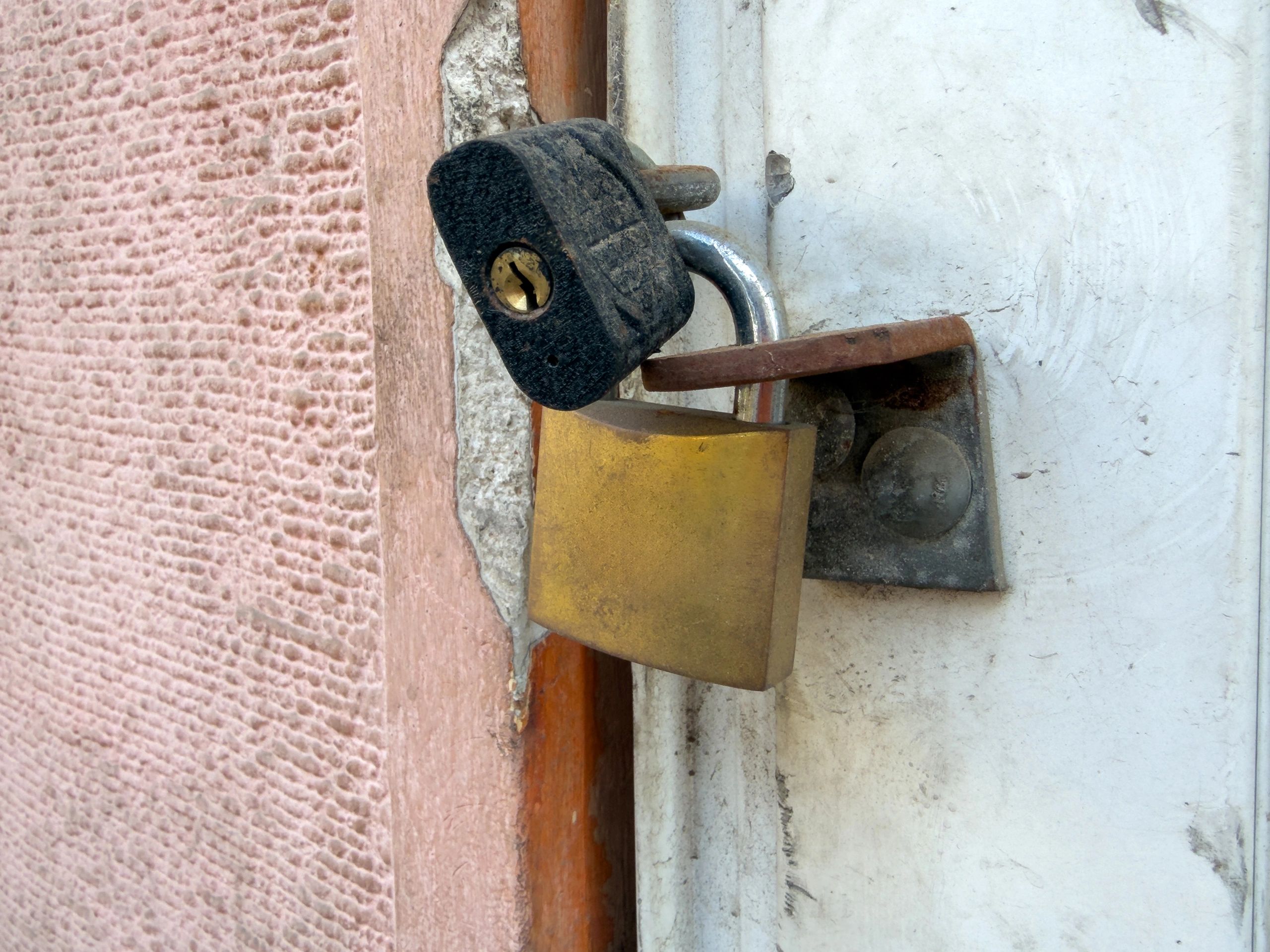
A straightforward bolt that slides into a receiver. Works well as a secondary securing point and can be paired with a padlock when needed.
Safety
Self-latching for pool gates
Where latches are used most
Match the latch to how the gate is used, who uses it, and what it protects.
Walk gates
Everyday access for homes and businesses—prioritize smooth operation and secure closure.
Pool gates
Often need self-latching operation and dependable alignment to reduce safety risk.
Farm gates
Built for frequent use, gloves, and uneven ground—ring and gravity styles are common.
Drive gates
May need a secondary latch point and compatibility with gate operators or hold-open hardware.
Commercial entries
Focus on durability, tamper resistance, and compatibility with access control when needed.
Dog runs
Choose latches that resist pawing and accidental opening; consider double-action designs.
Garden gates
Light-duty hardware can work, but finish quality still matters for corrosion resistance.
Temporary enclosures
Slide bolts and simple gravity latches can be effective when paired with proper posts and hinges.
Materials
Material and finish considerations
Hardware life depends on the environment and the gate material. In Louisiana, corrosion resistance and fastener choice matter as much as latch style.
Stainless steel
Excellent corrosion resistance and a strong choice for coastal areas and high-humidity sites.
Galvanized steel
Common for chain link and farm gates. Look for quality galvanizing and avoid mixing metals that can speed up corrosion.
Powder-coated finishes
Good for aluminum/ornamental systems. Choose a finish that matches the gate and resists chipping at contact points.
Fasteners and mounting
Use appropriate screws/bolts for wood vs metal frames, and ensure the strike/receiver is reinforced so the latch stays aligned.
Checklist
Latch selection checklist
Use this checklist to narrow down the right latch before you buy or request installation.
1) Gate type and swing
Is it a walk gate, pool gate, farm gate, or commercial entry? Confirm swing direction, clearance, and whether the latch must work from both sides.
2) Security needs
Decide if you need basic closure, padlock capability, keyed entry, or access-control integration.
3) Environment and corrosion
Consider coastal air, standing water, sprinklers, and fertilizer exposure. Choose stainless, galvanized, or powder-coated options accordingly.
4) Alignment and durability
Check hinge condition, post plumb, and gate sag. Even a great latch won’t perform if the gate is out of alignment—plan for adjustments or repairs if needed.